


Start with an assessment

Grow · Social Media

Social media management without the posting treadmill

Many social programs are sold by the post: twelve a month, three networks, a monthly report of likes. That model is easy to buy and easy to deliver, and it quietly turns social into a production quota. The calendar gets filled. Whether the right audience saw anything useful is a separate question nobody is paid to answer.

We approach social media management as an operating system with five parts: strategy that decides where to show up and why, production that creates material worth the audience’s time, governance that protects the brand, distribution that connects organic and paid activity, and measurement that follows attention through to the website and the pipeline.

What the program covers

  1. Channel strategy

    A written rationale for which networks the business uses, what each one is for and which ones it deliberately leaves alone.

  2. Audience and platform fit

    Formats, tone and cadence matched to how each audience actually uses each network, not one post resized five ways.

  3. Editorial planning

    Themes and campaigns planned around the business calendar, launches, events and the questions buyers ask.

  4. Content production

    Copy, design, short video and motion produced for the channel, with original material preferred over stock.

  5. Campaign creative

    Social assets designed as part of wider campaigns, sharing the visual system of ads, email and landing pages.

  6. Publishing

    Scheduling and release through approved tools and accounts that remain owned by the business.

  7. Community monitoring

    Comments, mentions and messages watched during agreed hours, with trends surfaced rather than ignored.

  8. Response and escalation rules

    Written guidance on what gets answered, by whom, how quickly and what is escalated to a person inside the business.

  9. Paid and organic coordination

    Organic material that performs can be amplified, and paid social is planned with the organic calendar rather than against it.

  10. Website and landing-page coordination

    Posts that drive traffic point to pages built for that visit, on the property Colorbull already operates.

  11. Social-to-site attribution

    Consistent campaign tagging and on-site events so social traffic can be followed through to inquiries where the data allows.

  12. Reporting and iteration

    A regular review of what reached the audience, what moved people to the site and what the next cycle should change.

Channel selection before content volume

Not every business needs every network. A specialist B2B firm may get more from a focused LinkedIn presence and executive visibility than from five dormant accounts. A consumer brand with strong visual work may need short-form video and little else. A local service business may find that its Google Business Profile does more social work than any feed.

We start by deciding where the audience is, what each channel is for and what the business can sustain. Retiring or pausing a neglected account is a legitimate outcome of that work. So is recommending that social stays small while budget goes to channels with better economics.

Questions every channel has to answer

  • Is the target audience active here in a way the business can reach?
  • What is this channel for: awareness, trust, community, traffic or recruitment?
  • Can the business supply the material and responses it needs?
  • How will we know within a few months whether it is working?

A social system, not a posting package

Strategy sets the channels, audiences and themes. Production turns the business’s real knowledge, work and people into material fit for each format. Governance defines approvals, tone and the rules for sensitive subjects. Distribution decides what stays organic, what is amplified and what feeds email or the website. Measurement closes the loop.

Each part can be scoped to the organization. A business with a strong internal voice may need production support and governance more than strategy. A business starting from nothing may need all five. The proposal says which parts are included and why.

  • Strategy: channels, audiences, themes and objectives
  • Production: copy, design, video and motion for each format
  • Governance: approvals, tone, escalation and brand protection
  • Distribution: organic, paid amplification and reuse across channels
  • Measurement: reach, engagement, site visits and inquiries where trackable

How social connects to the managed property

Social activity is most valuable when it has somewhere useful to send people. Because Colorbull operates the website, campaign destinations can be built on the same design system, offers can be kept consistent between a post and the page it links to, and tracking can be checked before a campaign starts rather than after it ends.

Content also travels in both directions. A buyer guide can become a short series; a case study can become a carousel and a video cut; a strong social thread can become a page that ranks. Where paid social is part of the plan and privacy rules allow it, site visitors can form remarketing audiences so organic reach and paid reach support each other.

What stays human

We use tooling to plan, schedule, monitor and prepare. We do not hand the brand’s public voice to automation. Judgment calls stay with people, and some of them stay with people inside the client organization.

Always handled by a person

  • Brand judgment on tone, timing and subject matter
  • Replies to complaints, criticism or sensitive personal situations
  • Anything that could become a reputational issue
  • Executive or public statements made on behalf of the business
  • Interactions with commercial, legal or safety consequences

The operating model

Added to the managed base

Social Media Marketing is a growth capability added on top of the managed operating base. The base keeps the site, forms and measurement working; the social program plans, produces and manages activity on the networks and connects it to that property. Paid social media spend is always billed separately.

Commercial scope: Scoped to channels, production and community management

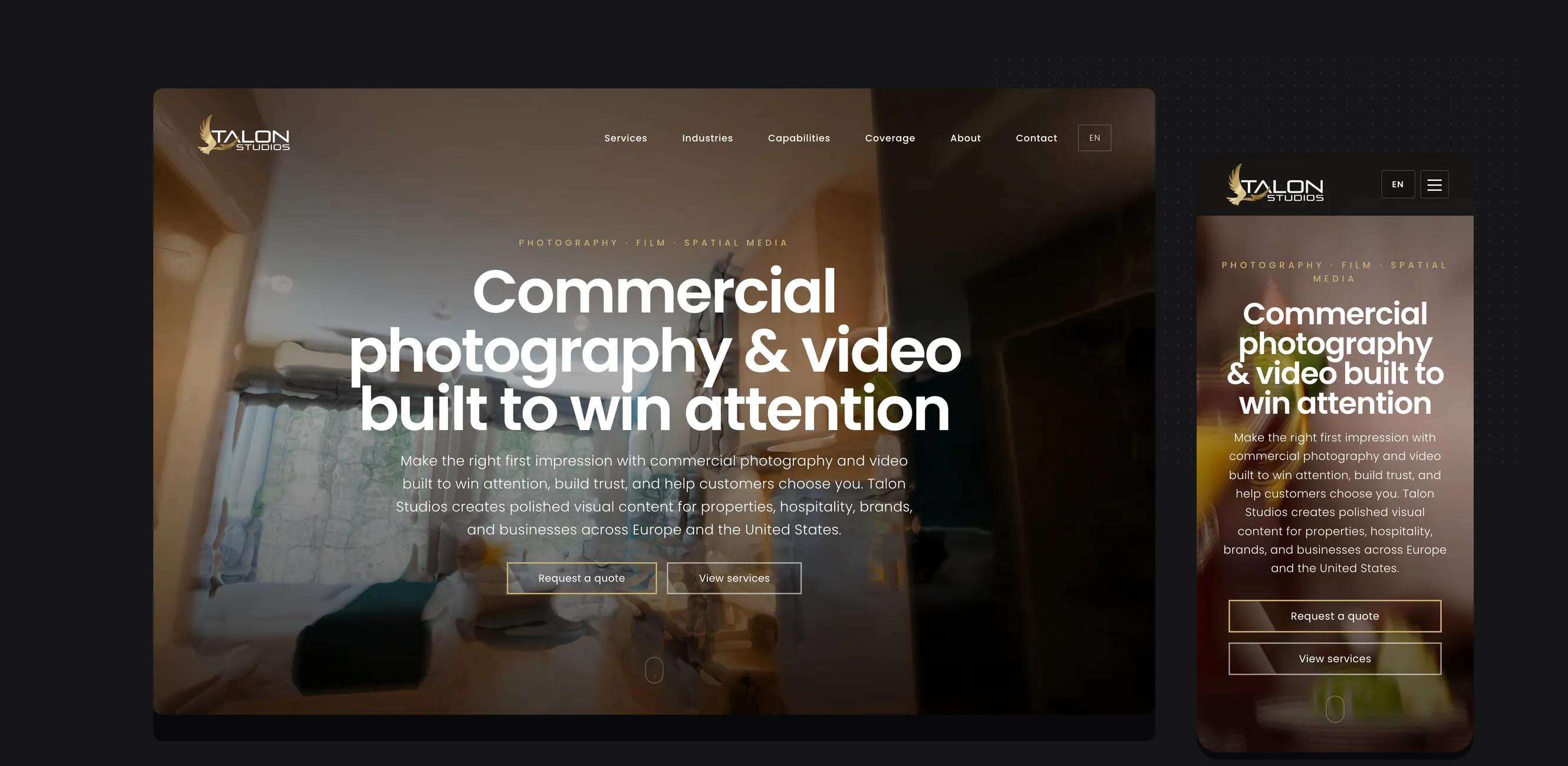
Colorbull built and operates these websites. They are shown as the kind of property social activity links back to; they are not social media case studies.

Works alongside

Capabilities this program most often depends on or feeds. Each is scoped on its own and added only when it serves the objective.

  1. Content & Authority

    Buyer content, evidence, expertise

  2. Creative & Campaign Production

    Campaign systems, ads, collateral

  3. Paid Acquisition

    Campaigns, landing pages, measurement

  4. Analytics & Attribution

    Measurement, attribution, decision reporting

Buyer questions

How many posts will we get each month?

We scope social programs by channels, production depth, community responsibilities and objectives, not by post count. The plan will state the expected cadence for each channel, but cadence follows the strategy rather than defining it.

Do you manage paid social as well?

Yes, when it is part of the plan. Paid social is managed through Paid Acquisition and coordinated with the organic calendar. Media spend is paid to the platforms and is always separate from Colorbull fees.

Who owns the accounts?

The business does. Accounts, pages and ad accounts stay in the client’s name, and Colorbull works through delegated access that can be removed at any time.

Can you respond to comments and messages for us?

Within agreed hours and agreed rules, yes. Routine questions can be answered directly; anything sensitive, commercial or reputational is escalated to the right person inside the business. We write those rules with you before the program starts.

  1. How much does social media management cost?

    The difference between strategy and posting, why post-count packages are a weak comparison, and where the real cost of a social program sits.

  2. How much does content marketing cost?

    Where the real cost of content sits, why depth usually beats volume, and how to use AI-assisted production without turning a site into a content farm.

  3. How much does digital marketing cost?

    Why "digital marketing" can mean one channel or an entire outsourced growth function, how agencies charge for it, and what actually moves the price.

See what we would change.

Start with a focused assessment of the property you have now. We look at the experience, search visibility, technical condition, conversion path and the opportunities that matter most before recommending scope.