





Start with an assessment

Grow · Local SEO & Reputation

Local search rewards accuracy, proximity and proof

For a local search, the buyer usually sees a map, a handful of business profiles and a set of reviews before they see any website. The businesses that appear there tend to have complete, accurate and consistent information, a clear relationship between their profile and their website, and a steady record of genuine customer feedback.

None of that is achieved with a one-off setup. Hours change, services change, staff change, new reviews arrive and old listings drift. Local SEO and reputation management are ongoing operations, which is why we treat them as a program rather than a project.

What the program covers

  1. Google Business Profile management

    Categories, services, hours, attributes, photos and updates kept complete and current for every genuine location.

  2. Accurate business information

    Name, address, phone, hours and service areas stated identically on the website, profiles and key directories.

  3. Location and entity consistency

    One clear identity for the business and each location, so search systems are not guessing which record is correct.

  4. Local landing content where real locations exist

    A useful page for each actual location or service area, with specific information a visitor needs, never a templated city clone.

  5. Map visibility monitoring

    Periodic checks of how the business appears for its core local searches, with changes tracked over time.

  6. Review-generation workflows

    A simple, compliant way to ask real customers for feedback at the right moment, built into how the business already operates.

  7. Review response operations

    Consistent, timely replies to reviews using agreed standards, with difficult cases routed to the right person.

  8. Local authority and citations

    Presence on the directories, associations and local sources that genuinely matter for the category, kept accurate.

  9. Local schema only where accurate

    LocalBusiness structured data that describes real, visible details on the page and nothing that is not there.

  10. Local search content

    Answers to the practical questions local buyers ask: service areas, availability, pricing approach, access and what to expect.

  11. Call and form tracking

    Calls, direction requests and inquiries measured by source so local visibility can be connected to real contact.

  12. Reputation monitoring

    New reviews, ratings changes and notable mentions surfaced quickly, with trends reported rather than buried.

Local SEO is not city-page generation

A common local SEO tactic is to publish dozens of near-identical pages, one for every town within driving distance, each with the same copy and a different place name. We do not build them. They add little for visitors, search engines are designed to discount them, and they can weaken the credibility of the whole site.

Location pages are built only where the business genuinely has a location or a clearly defined service area, and each one carries information that is specific to it: who serves that area, what is offered there, how to get there, what customers in that place tend to ask. If there is nothing distinct to say about a place, it does not get a page.

What we will not do

  • Create pages for towns the business does not meaningfully serve
  • Publish templated city pages with swapped place names
  • Create profiles at addresses that are not real, staffed locations
  • Buy, incentivize or fabricate reviews
  • Add structured data describing details that are not on the page

Reviews are operations, not decoration

Reviews are among the first things a local buyer reads, and they are produced by the business’s operations rather than its marketing. The practical work is making it easy for satisfied customers to leave feedback, responding well to every review, and fixing the operational issues that negative reviews expose.

We design the request flow around the moments when customers are most likely to respond, write response standards with the business, and route anything serious to the person who can actually resolve it. We follow platform rules on requesting reviews: no gating, no incentives, no selective asking designed to filter out unhappy customers.

  • Request flow: when, how and by whom customers are asked
  • Routing: which reviews go to which person for a reply or follow-up
  • Response standards: tone, timing and what is never said publicly
  • Escalation: complaints with legal, safety or commercial consequences
  • Feedback loop: recurring issues reported back to the business

Multi-location businesses

For organizations with several genuine locations, the difficulty is governance more than tactics. Each location needs its own accurate profile, page and review stream, but the brand, service descriptions and standards should stay consistent. Without a clear owner, locations drift: one profile has old hours, another uses a different business name, a third has a manager who replies to reviews in a very different voice.

We set up a single source of truth for location data, a defined process for changes, shared response standards with local escalation, and reporting that compares locations fairly. The website carries a location structure that scales without duplicating content.

Why the website still matters locally

Business profiles link to the website, and local ranking systems use the website to confirm what the business does and where. A slow, inconsistent or thinly described site limits what local work can achieve. Because Colorbull operates the property, location pages, structured data, hours and contact details can be corrected on the site the same day they change in a profile.

Local SEO also sits inside the wider search picture. Many local businesses also compete for non-local searches, and those are handled by the main SEO program.

The operating model

Added to the managed base

Technical search health on the website is part of every managed base. Local SEO & Reputation Management is the growth capability that operates the business’s local presence around it: profiles, listings, location content and review operations. It is scoped to the number of genuine locations and the review volume involved.

Commercial scope: Scoped to genuine locations and review volume

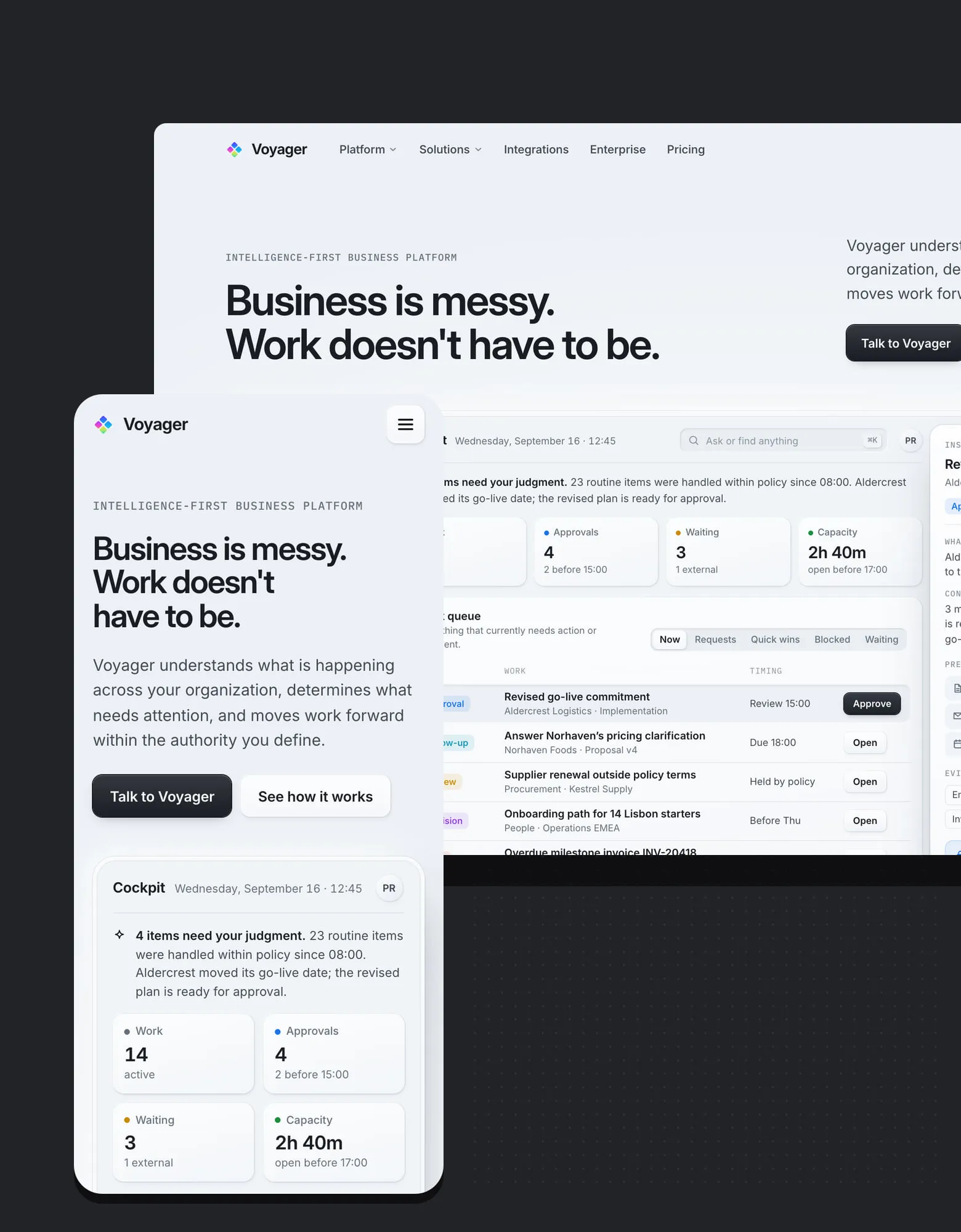
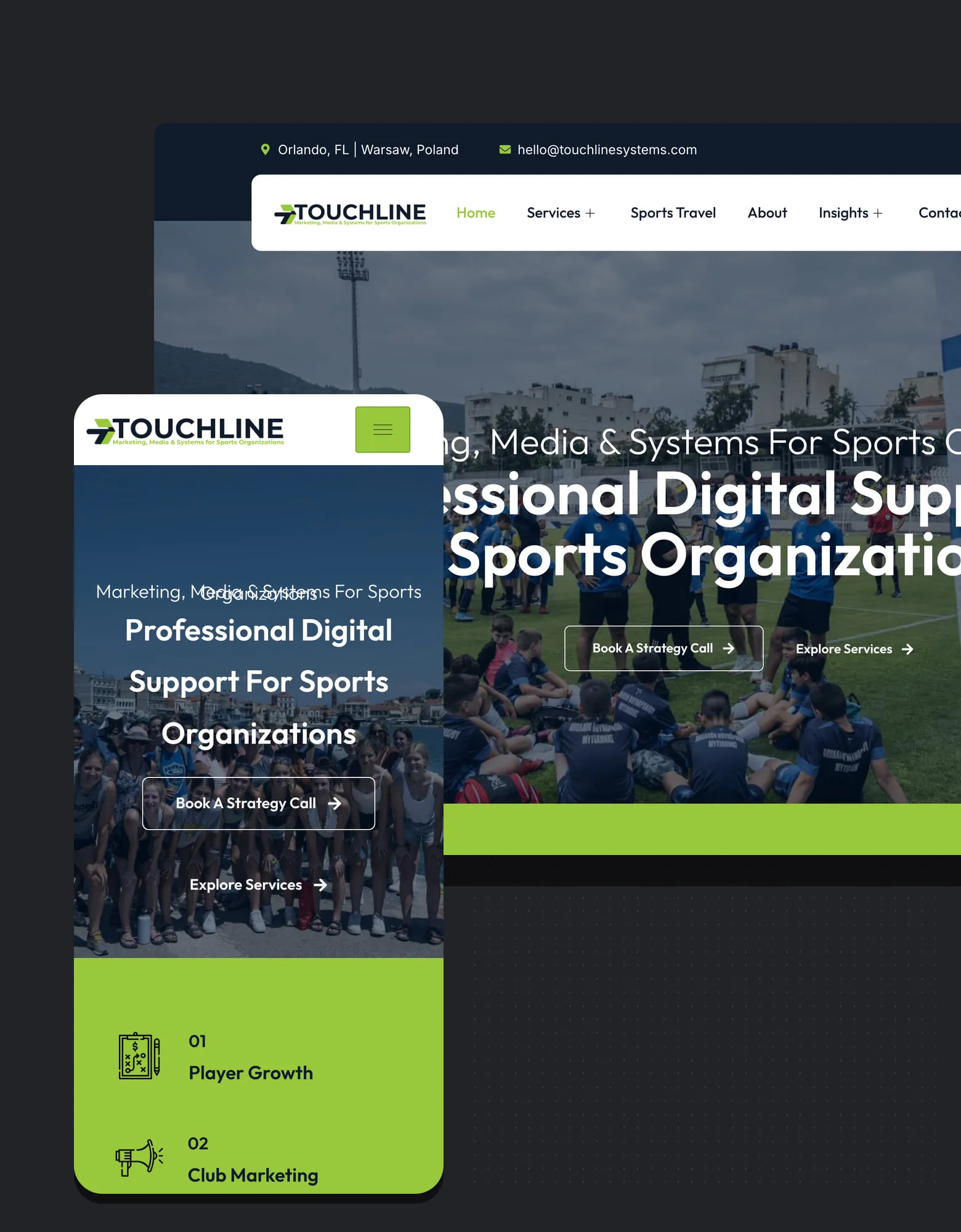
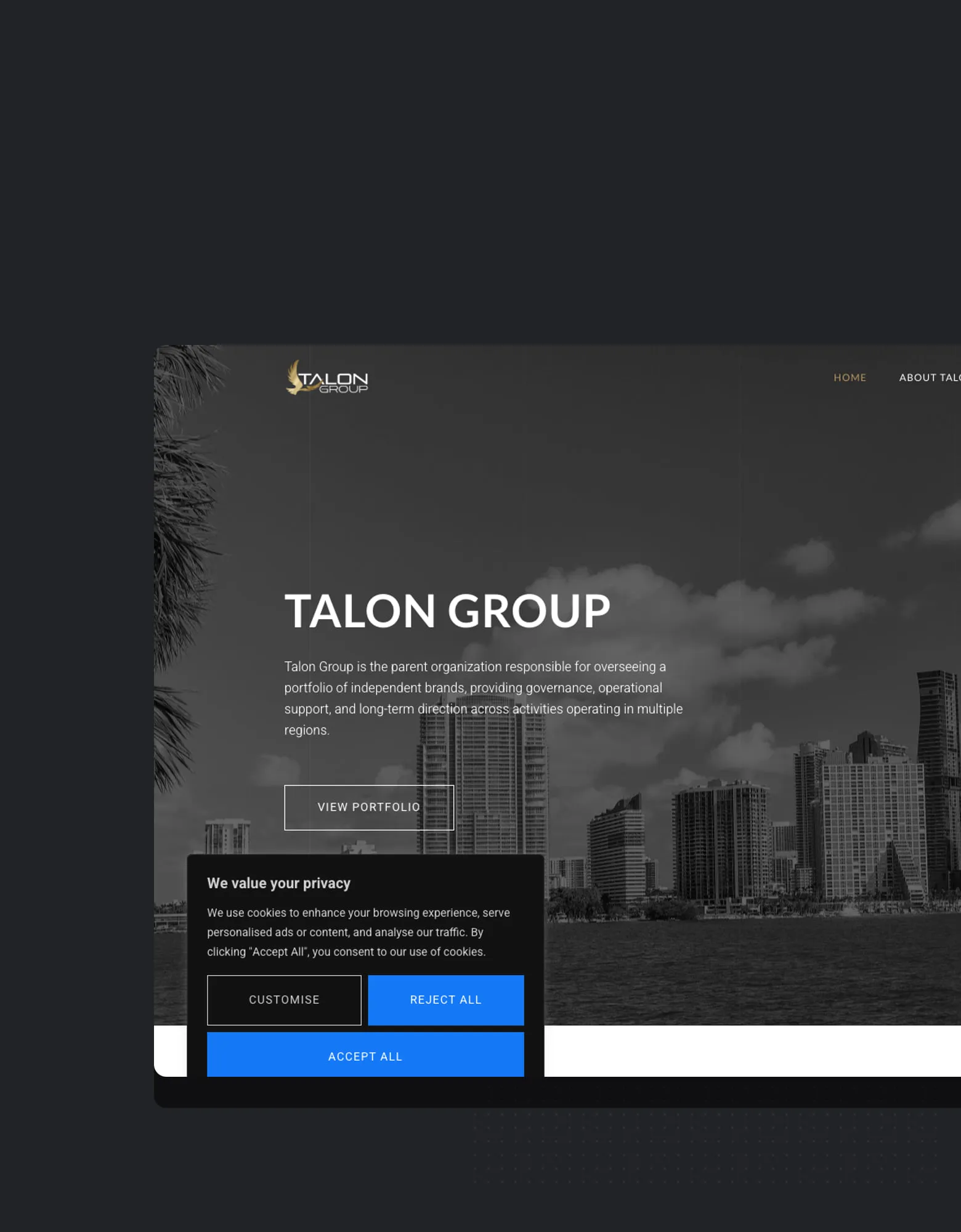
Colorbull built and operates these websites, including their technical search health. They are shown as examples of the managed foundation; they are not local SEO case studies.

Works alongside

Capabilities this program most often depends on or feeds. Each is scoped on its own and added only when it serves the objective.

  1. SEO & AI Search Visibility

    Technical, on-page and content SEO

  2. Content & Authority

    Buyer content, evidence, expertise

  3. Analytics & Attribution

    Measurement, attribution, decision reporting

  4. Social Media Marketing

    Channel strategy, production, community

Buyer questions

Can you get us into the top three map results?

Nobody can guarantee map positions. Proximity to the searcher is a major factor that no provider controls. We can make sure the business is accurately and completely represented, that its website supports each location, and that its review record reflects the service it actually provides, and we can measure visibility over time.

Can you remove negative reviews?

Only reviews that break a platform’s own policies can be reported for removal, and the platform decides. Most negative reviews should be answered well and, where they point to a real problem, resolved. A thoughtful response is read by every future customer.

We serve a wide area but only have one office. Can we rank in nearby towns?

Often, to a degree, through a well-defined service area, strong content about the work and genuine local signals. We will not create pages or profiles that misrepresent where the business operates. The assessment will set realistic expectations for the area you serve.

Do you handle local SEO for businesses with many locations?

Yes, where each location is real. Multi-location work is scoped around location count, data governance and review volume, and is usually part of a strategic engagement.

  1. How much does local SEO cost?

    What local SEO actually involves, why one location and fifty locations are different problems, and the tactics that cost more than they return.

  2. How much does SEO cost?

    Pricing models, realistic ranges and the difference between keeping a site search-healthy and actually growing its visibility.

  3. How much does digital marketing cost?

    Why "digital marketing" can mean one channel or an entire outsourced growth function, how agencies charge for it, and what actually moves the price.

See what we would change.

Start with a focused assessment of the property you have now. We look at the experience, search visibility, technical condition, conversion path and the opportunities that matter most before recommending scope.