

Start with an assessment

Grow · Account-Based Marketing

Account-based marketing, done with restraint

ABM makes sense when a small number of accounts represent a large share of potential value: long sales cycles, several decision-makers, significant contract sizes and a market where every lost opportunity matters. In that situation, generic campaigns waste money and generic outreach damages the brand with exactly the people the business most wants to impress.

A good ABM program is patient and specific. It chooses accounts deliberately, understands them before contacting them, gives each stakeholder something genuinely relevant, and keeps marketing and sales working from the same picture of where every account stands.

What the program covers

  1. Target-account selection

    A defined list built from fit, value and timing criteria agreed with sales, not a purchased database.

  2. Account qualification

    Evidence that an account can buy, is likely to need what the business offers and is worth the effort of a tailored program.

  3. Stakeholder mapping

    The roles involved in a decision, what each of them cares about and who has influence at which stage.

  4. Account research

    Public information about the organization’s priorities, digital presence, market and recent changes, assembled before any contact.

  5. Personalized messaging

    Points of view written for the account’s actual situation, not a template with the company name swapped in.

  6. Account-specific content

    Briefings, analyses, examples and comparisons prepared for a specific account or a small cluster of similar accounts.

  7. Personalized landing and review pages

    Private, non-indexed pages that present account-specific findings or concepts in a form stakeholders can share internally.

  8. Coordinated outbound

    A planned sequence of touches across people and channels, paced so it reads as attention rather than pressure.

  9. Email and approved channels

    Direct email, professional networks and other channels agreed in advance, used within their rules and applicable law.

  10. Paid support where appropriate

    Targeted advertising to known accounts when the audience size and platform options make it worthwhile.

  11. CRM and account-state tracking

    Every account’s stage, contacts, touches and responses kept current in the CRM that sales already uses.

  12. Sales handoff and follow-up

    Clear rules for when an account moves to sales, what context travels with it and what happens if it goes quiet.

  13. Account-level measurement

    Engagement, meetings, opportunities and pipeline measured per account, rather than clicks aggregated across a list.

ABM is selective by design

Account-based marketing is expensive per account because it is supposed to be. Research, tailored content and coordinated outreach cost far more than a broadcast email, and they only pay off when the value of winning an account justifies that effort. For a business with many small customers and short buying cycles, broader programs are usually better value.

We qualify both sides before recommending ABM: whether the business has accounts worth the investment, and whether its offer, capacity and sales process are ready to handle the conversations a good program creates.

Signs ABM may fit

  • A definable list of target organizations, not an open market
  • Deal values large enough to justify tailored work per account
  • Several stakeholders involved in each decision
  • A sales team able to follow up with context and care
  • A long or complex buying cycle that generic campaigns do not move

Personalization must be substantive

Inserting a first name and a company name into a template is not personalization, and senior buyers recognize it instantly. Substantive personalization means the message could only have been written for that organization: it refers to their real situation, identifies an issue they plausibly care about, and offers something useful whether or not they reply.

That standard limits volume, which is the point. A smaller number of well-prepared approaches protects the brand and tends to produce better conversations than a large number of generic ones.

  • Real account context: market, priorities, recent changes, current digital presence
  • A relevant issue: something the account would recognize as worth their attention
  • A tailored asset: an analysis, example or concept prepared for them
  • A respectful ask: a clear, low-friction next step

Marketing and sales must share the same account state

Many ABM efforts fail at the handoff. Marketing records engagement in one system, sales tracks conversations in another, and nobody is sure whether an account has already been contacted, by whom or with what response. Stakeholders receive overlapping messages, warm signals are missed and the program looks disorganized to the people it was meant to impress.

We set up one account record in the CRM that both teams use, define the stages an account moves through, and agree which signals trigger a sales conversation. Outreach pauses automatically when a conversation starts, and every touch is visible to everyone working the account.

How Colorbull uses assessments

The most useful opening asset in many ABM programs is a genuine piece of work about the account itself. Colorbull prepares focused assessments of a target organization’s digital presence, search visibility or customer journey, and in some cases draft concepts, presented on private pages that are excluded from search and shared only with the intended recipients.

The assessment has to be worth reading on its own. It is checked by a person before it is sent, it avoids claims we cannot support from public information, and it gives the recipient something they can use even if they never reply. That is also the standard we apply to our own outreach.

The operating model

For qualified strategic accounts

Account-Based Marketing is a growth capability added on top of an operating base, most often within a Strategic Digital Partnership where sales coordination, CRM integration and account-specific content are already part of the relationship. It is scoped to the number of target accounts, the depth of research and personalization, and the channels involved.

Because Colorbull operates the property, account-specific pages, content and tracking are built on the same system as the rest of the site rather than on a separate campaign tool.

Commercial scope: For qualified strategic accounts

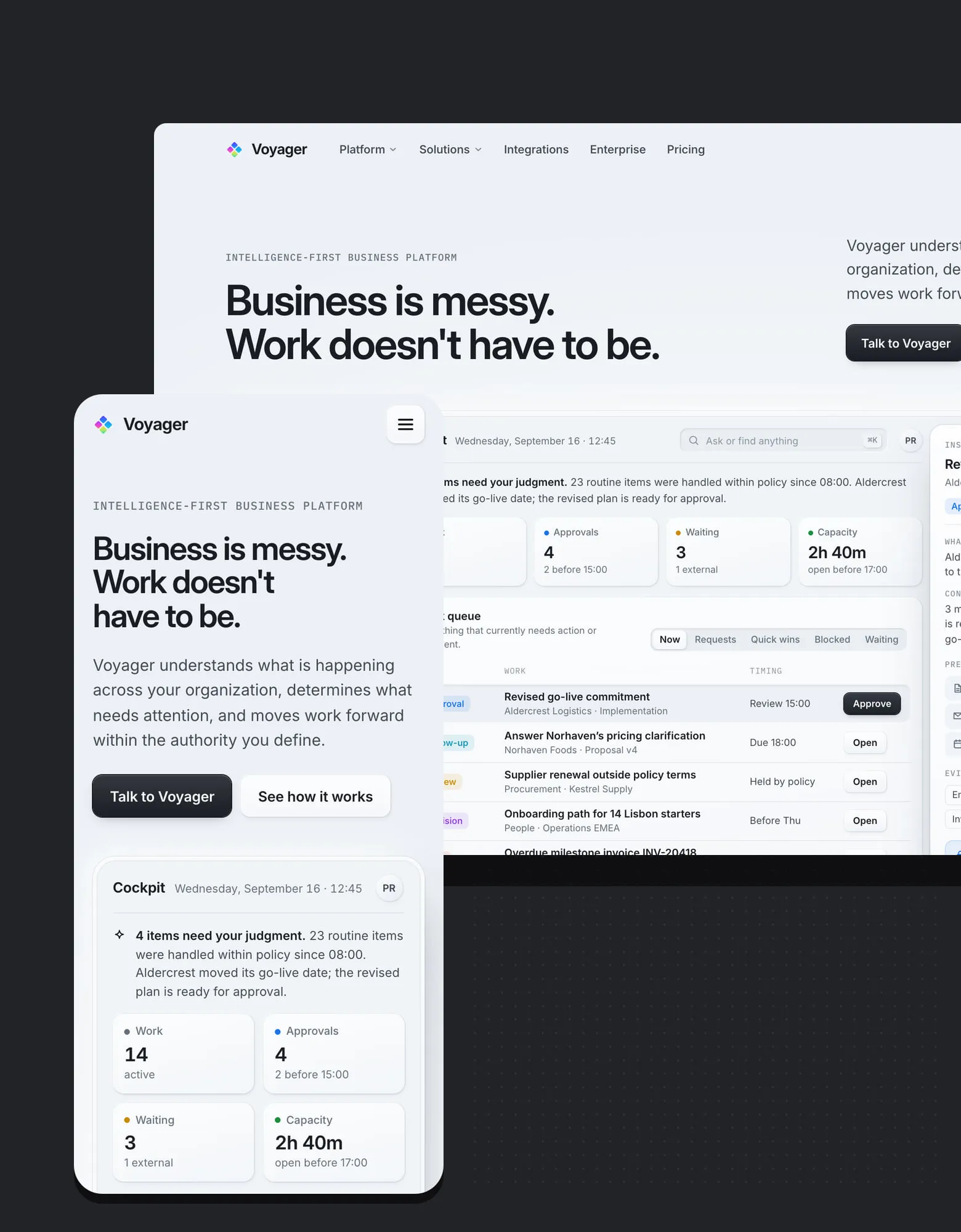
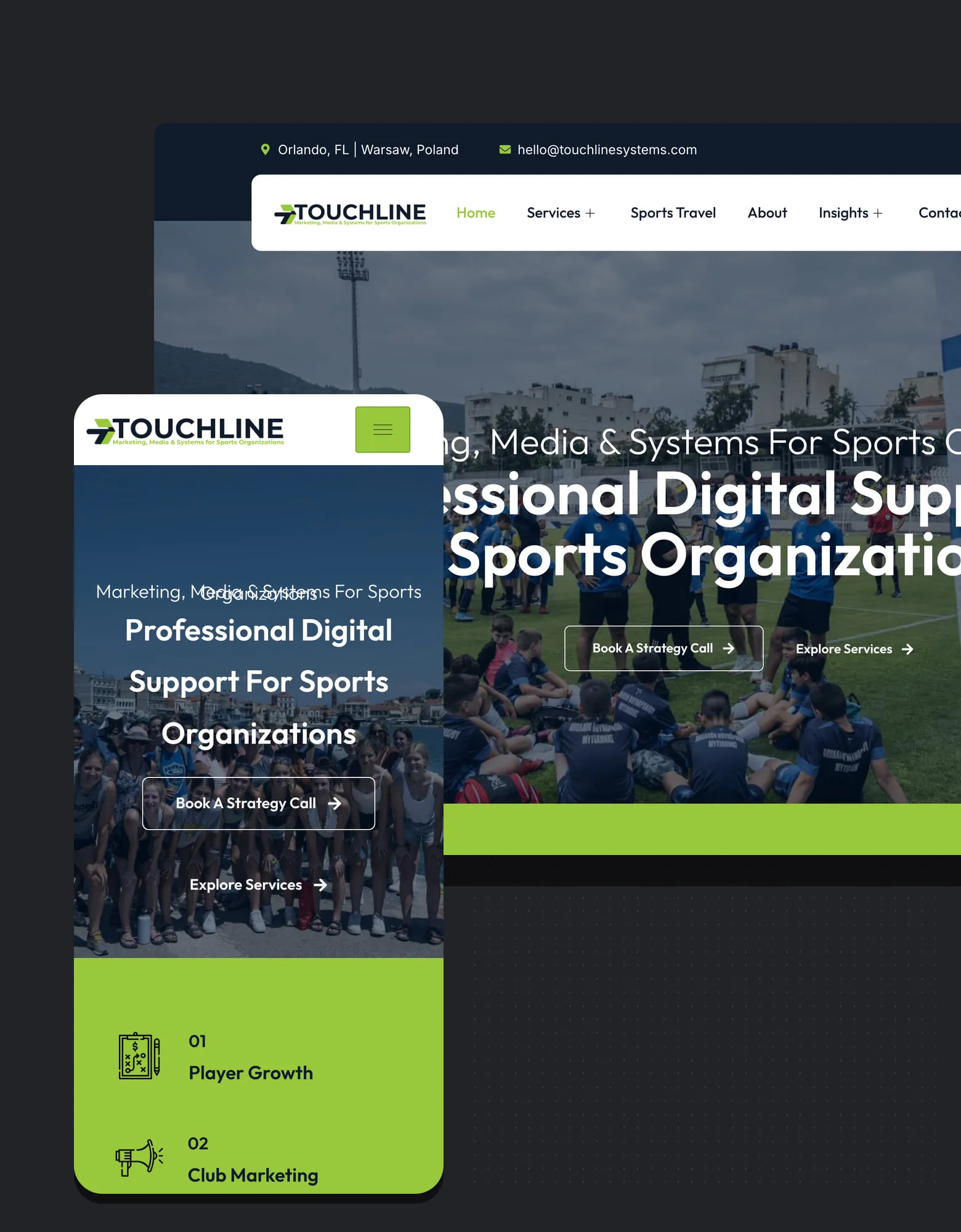
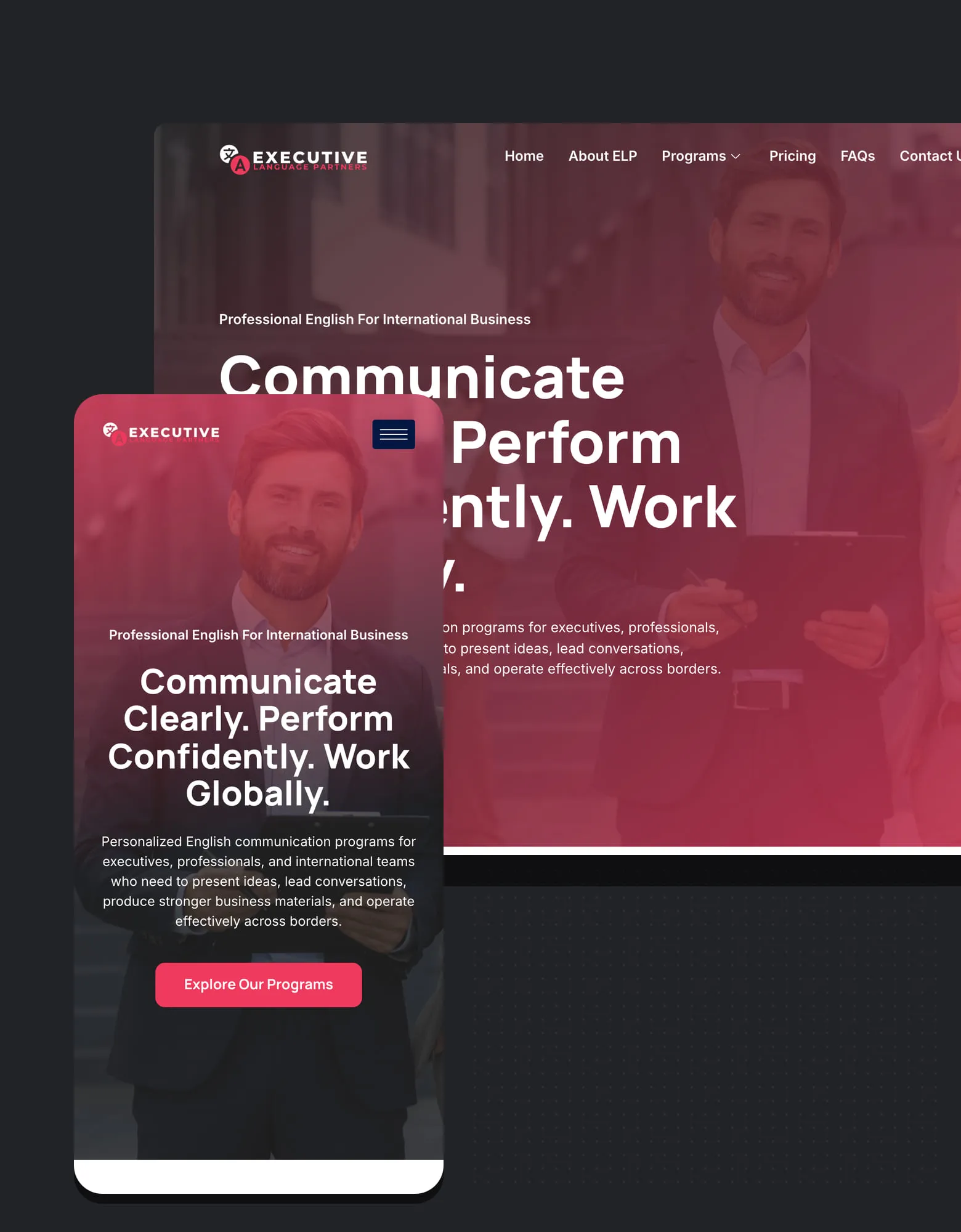
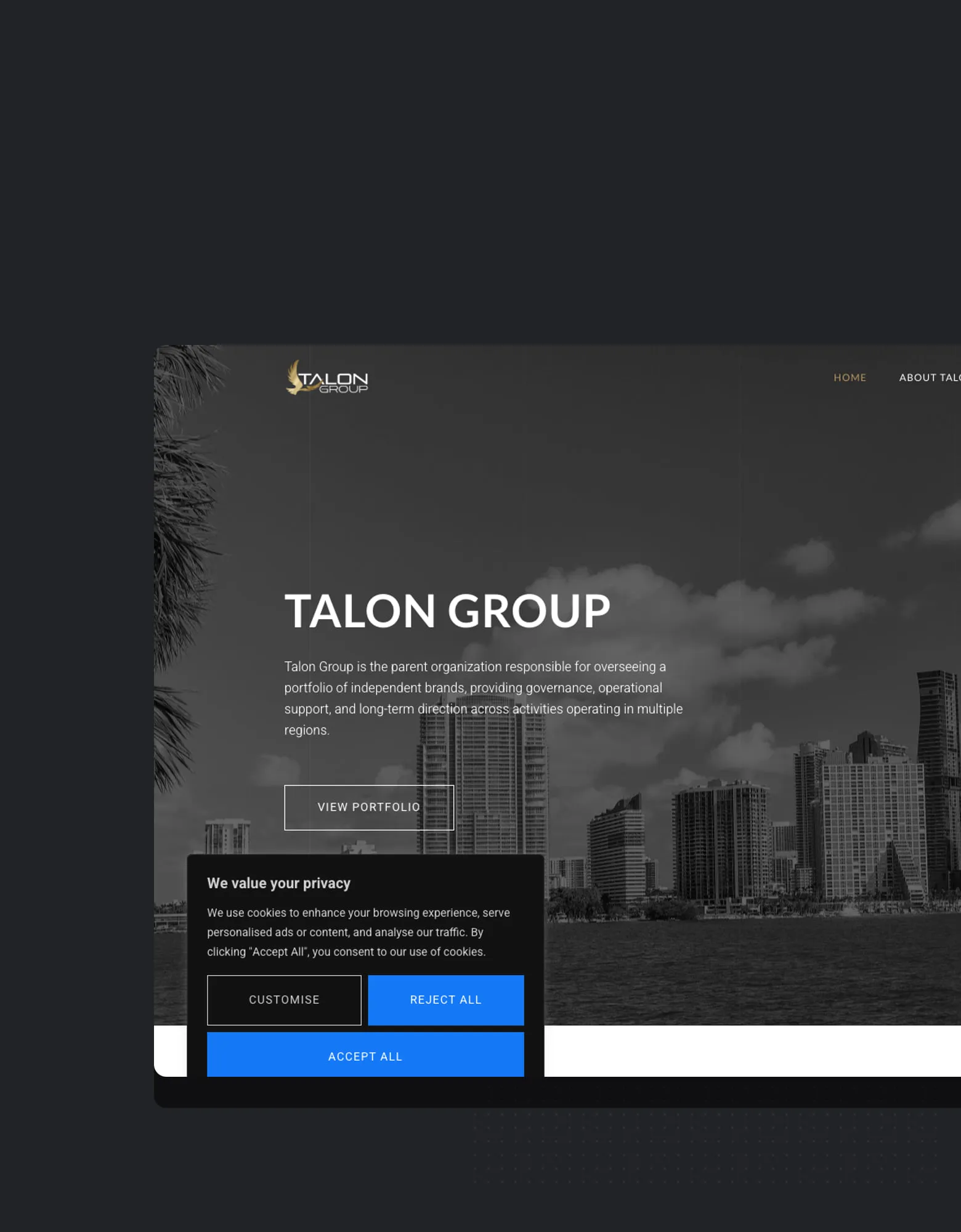
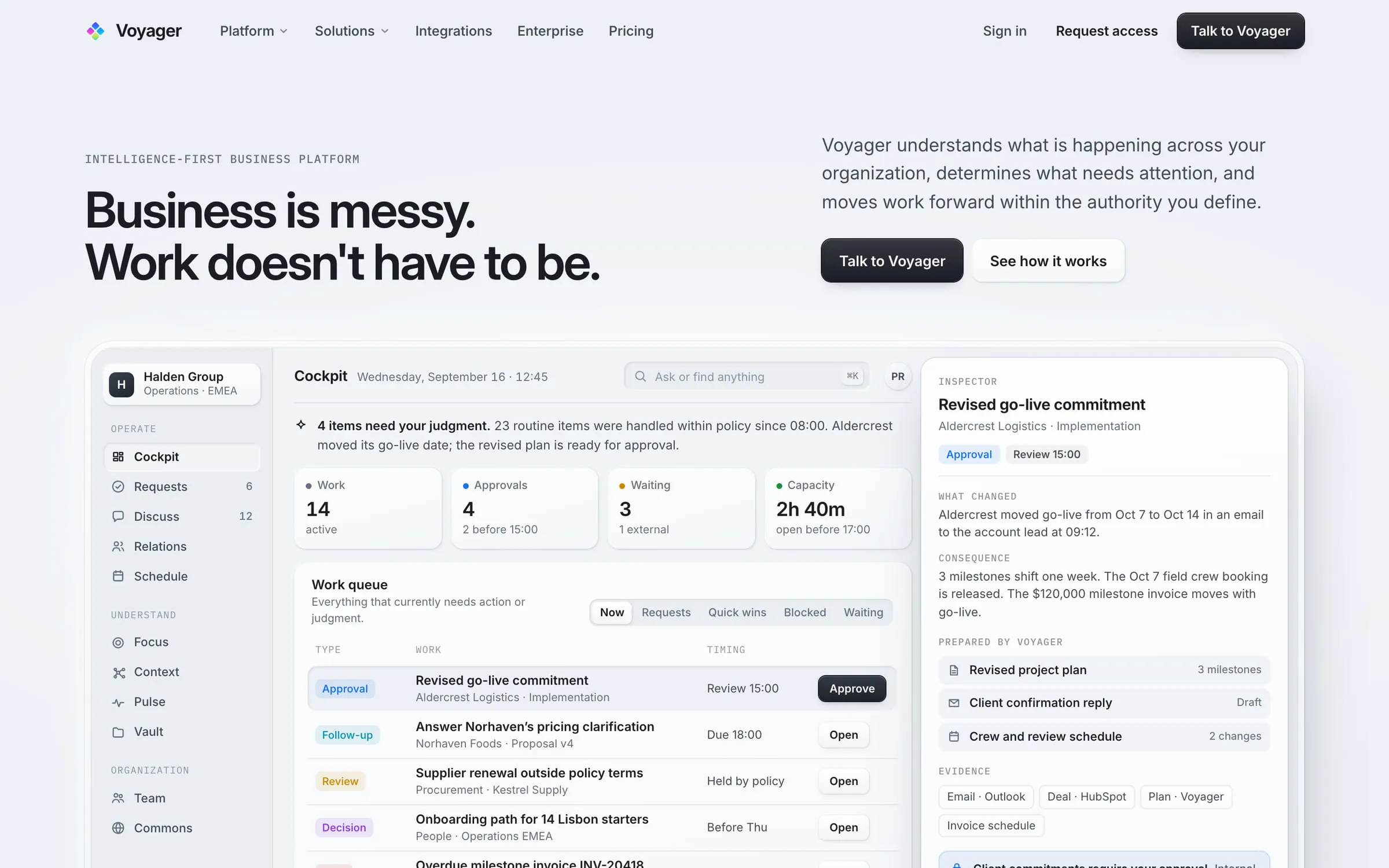
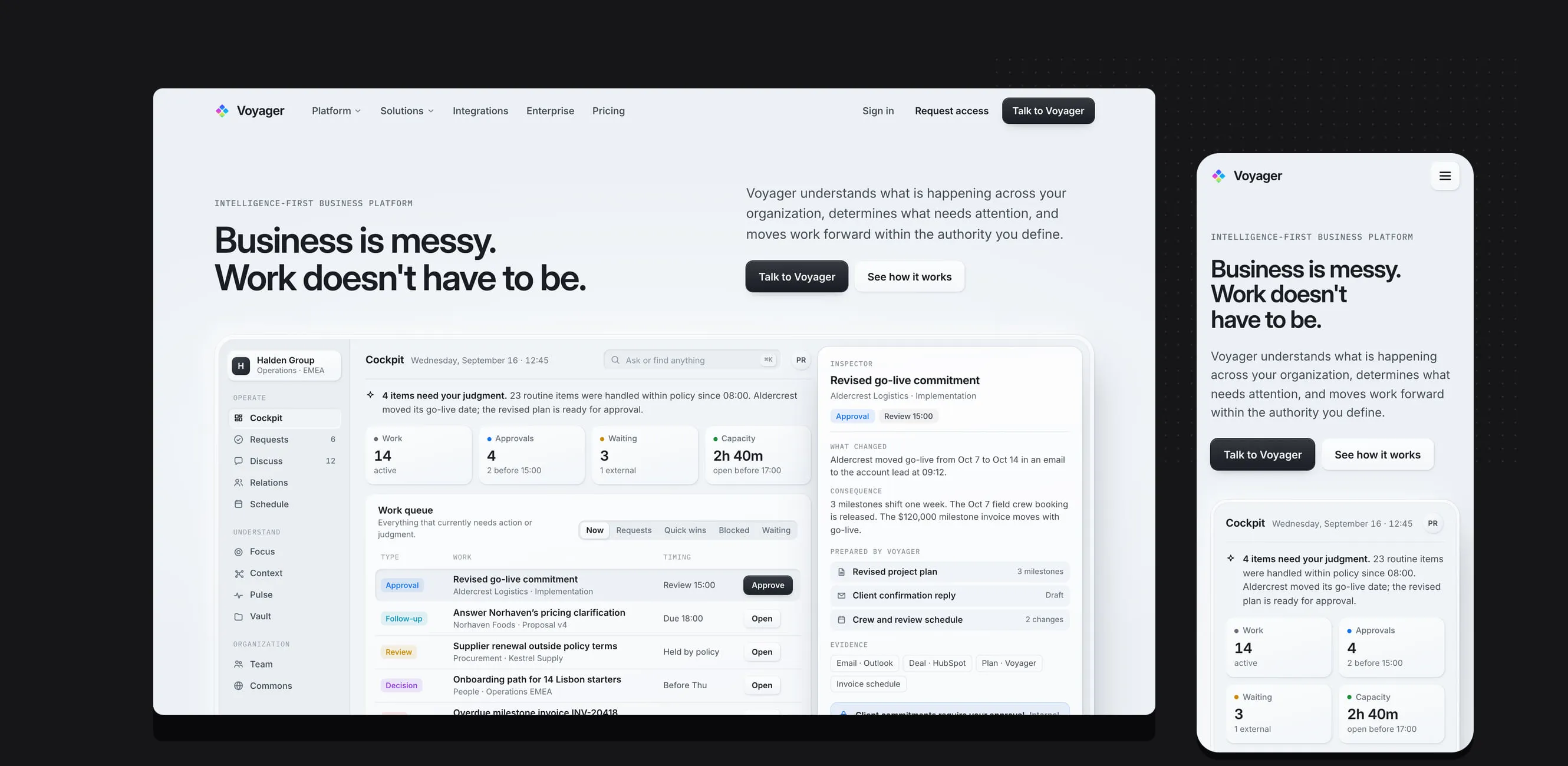
Colorbull serves as an implementation partner for Voyager, an independent platform, and uses it in its own operations. It is shown here as related product and automation work, not as an ABM case study.

  • Voyager website on desktop and mobile: the homepage headline "Business is messy. Work doesn't have to be." above the product cockpit.

    Voyager

    PRODUCT · UX · WEB · APPLICATION

Works alongside

Capabilities this program most often depends on or feeds. Each is scoped on its own and added only when it serves the objective.

  1. Content & Authority

    Buyer content, evidence, expertise

  2. Email & Lifecycle

    Follow-up, nurture, reactivation

  3. Paid Acquisition

    Campaigns, landing pages, measurement

  4. Marketing Automation

    Routing, CRM workflows, handoffs

  5. Analytics & Attribution

    Measurement, attribution, decision reporting

Buyer questions

Is this cold email?

Outreach is part of ABM, but volume is not. A program might approach a few dozen carefully chosen accounts over a quarter, each with prepared research and a tailored asset. Contact is made through channels agreed in advance and within their rules and applicable law, and anyone who asks not to be contacted is not contacted again.

How many accounts should a program target?

It depends on deal value, sales capacity and research depth. Deeper programs cover fewer accounts; lighter-touch programs for clusters of similar accounts can cover more. The right number is the one sales can follow up on properly.

How is ABM measured?

At account level: which accounts engaged, which stakeholders responded, how many meetings and opportunities resulted and what pipeline they represent. Click-through rates on their own say very little about an ABM program.

Do we need a CRM?

Yes. ABM depends on shared account state between marketing and sales. If the current CRM cannot support that, we will recommend what it needs before the program starts.

  1. How much does account-based marketing cost?

    Why ABM is priced per account rather than per campaign, what separates substantive programs from personalized mass email, and how to tell whether your market justifies it.

  2. How much does digital marketing cost?

    Why "digital marketing" can mean one channel or an entire outsourced growth function, how agencies charge for it, and what actually moves the price.

  3. How much does content marketing cost?

    Where the real cost of content sits, why depth usually beats volume, and how to use AI-assisted production without turning a site into a content farm.

See what we would change.

Start with a focused assessment of the property you have now. We look at the experience, search visibility, technical condition, conversion path and the opportunities that matter most before recommending scope.