


We built Colorbull around a simple idea: the agency should remain responsible after launch.
Most digital work is fragmented by design.
Traditional agency work splits strategy, design, development, SEO, ads and maintenance among different teams and vendors. Each does its part, hands off, and moves on. The website becomes the place where those handoffs collide, and where nobody is responsible for the whole.
Colorbull is organized around the digital property itself. The team that plans the architecture builds it, operates it and expands what it does. Responsibility does not transfer at launch; it continues.
The lifecycle
Six phases, one continuous relationship. The loop does not end at launch, learning feeds the next round of assessment.
Assess
We start with the property you have, the business around it and the evidence available, analytics, search footprint, conversion path, technical condition, before recommending scope.
Build
Strategy, information architecture, design and engineering in one production system, with migration and measurement planned from the start.
Launch
Redirects, indexation, forms, analytics, performance and accessibility verified before and after go-live, launch is a controlled release, not a leap.
Operate
The same team stays responsible: infrastructure, updates, technical search health, measurement integrity and continuous correction.
Grow
Search, content, acquisition, conversion, lifecycle and automation added around the managed core when the business needs them.
Learn
What real visitors, search data and sales conversations reveal feeds back into the roadmap, and the property keeps improving.

Automation removes overhead. Judgment stays human.
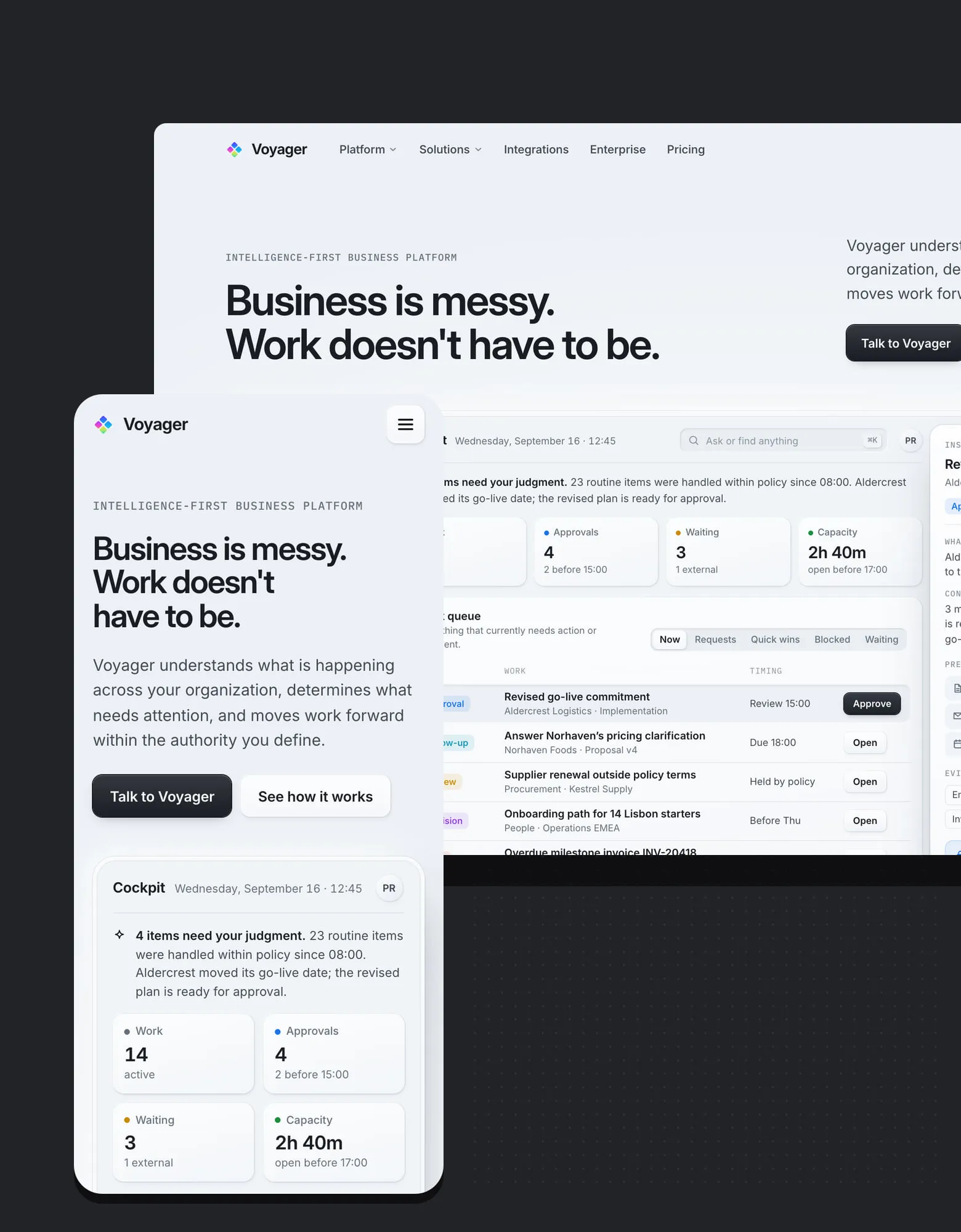
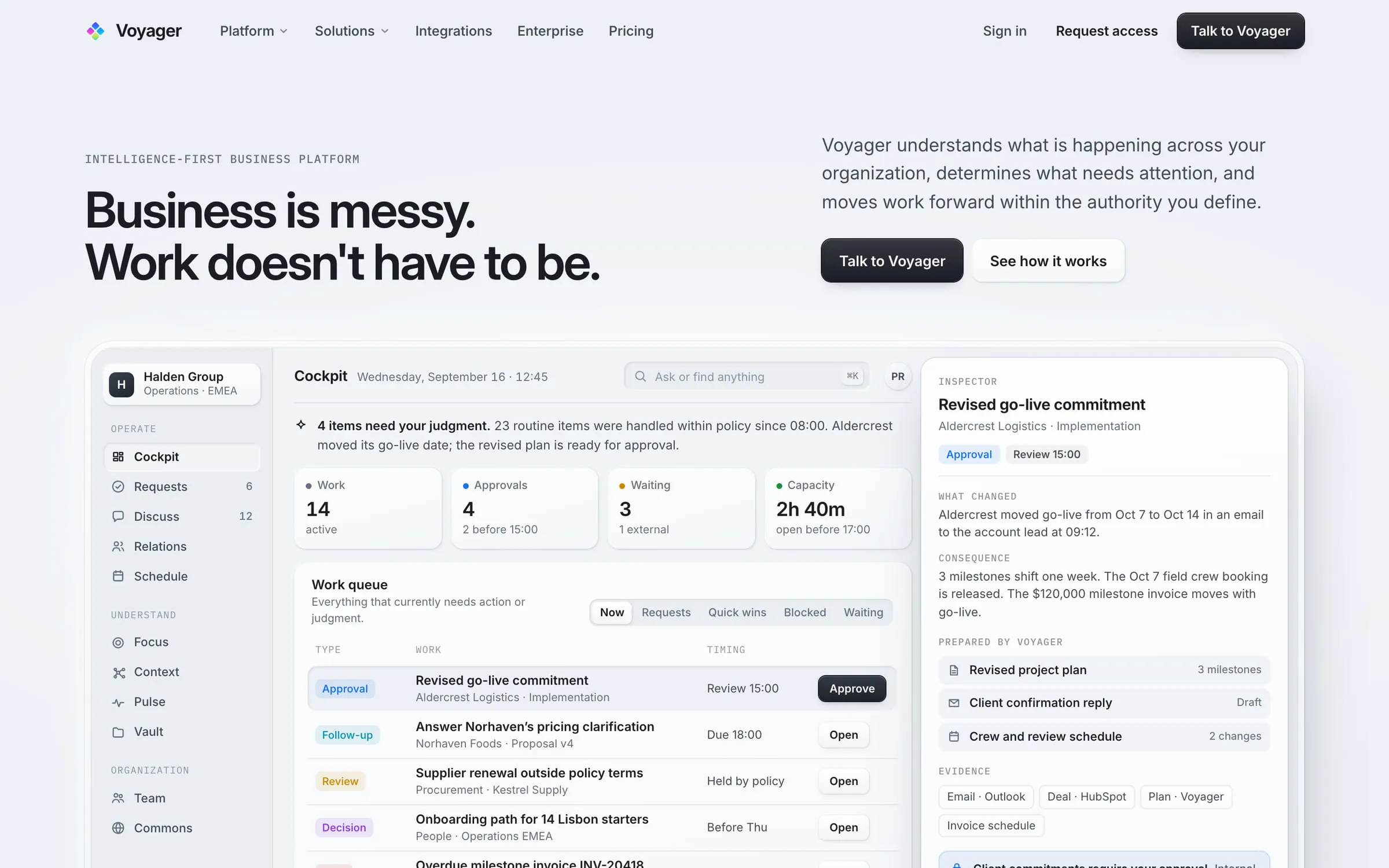
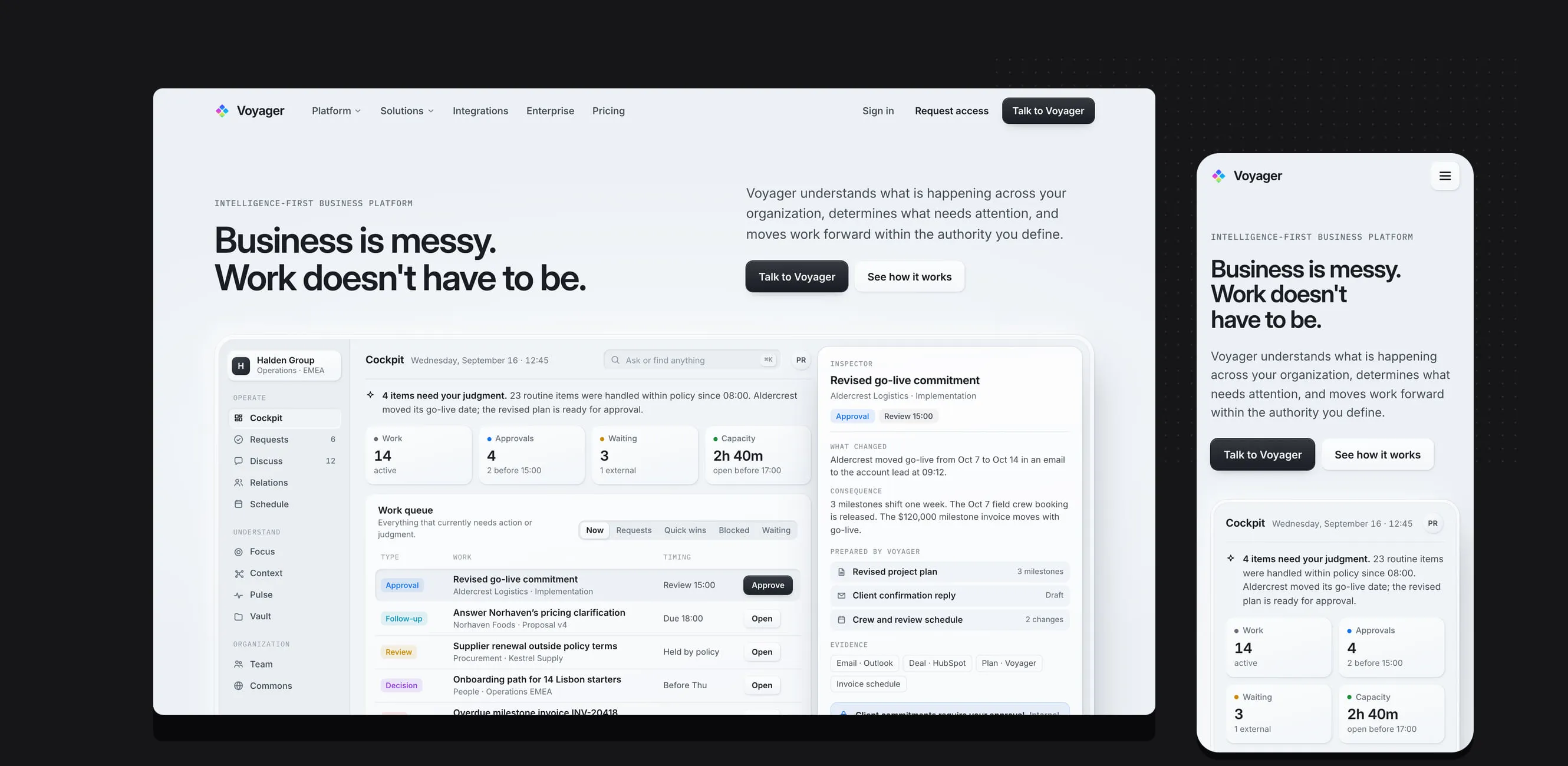
Colorbull uses Voyager, an independent intelligence-first business platform, in its own delivery operation and serves as an implementation partner for Voyager. Automation handles the repetitive coordination and execution work that makes traditional agencies slow and expensive: monitoring, routing, preparation, checks and follow-up.
That is operating leverage, not the product. Clients buy a well-built, well-run digital property, the platform is how we keep delivering it at a high standard without the overhead.
People decide
- Strategy and positioning
- Creative direction and design judgment
- Unusual or high-risk technical work
- Approvals on anything client-facing
- Important client decisions and recommendations
This is not "AI replaces the agency". Automation prepares, checks and proposes; people remain accountable for what ships.
How we work
Organized around the property
One accountable team for strategy, design, engineering, operation and growth, not a chain of vendors handing work across gaps.
Governed releases
Every change moves through review, preview and a controlled release path, with a record of what changed and why.
Evidence over assertion
We describe work by what was built and what can be verified. We do not publish invented metrics, testimonials or proof.
Ownership stays with you
Domains, content, brand assets and data belong to the client, with a documented transfer path.
Fundamentals first
Fast, accessible, crawlable, measurable properties, because every growth capability depends on them.
Honest scope
When something sits outside the relationship, we say so before work starts, not on the invoice.
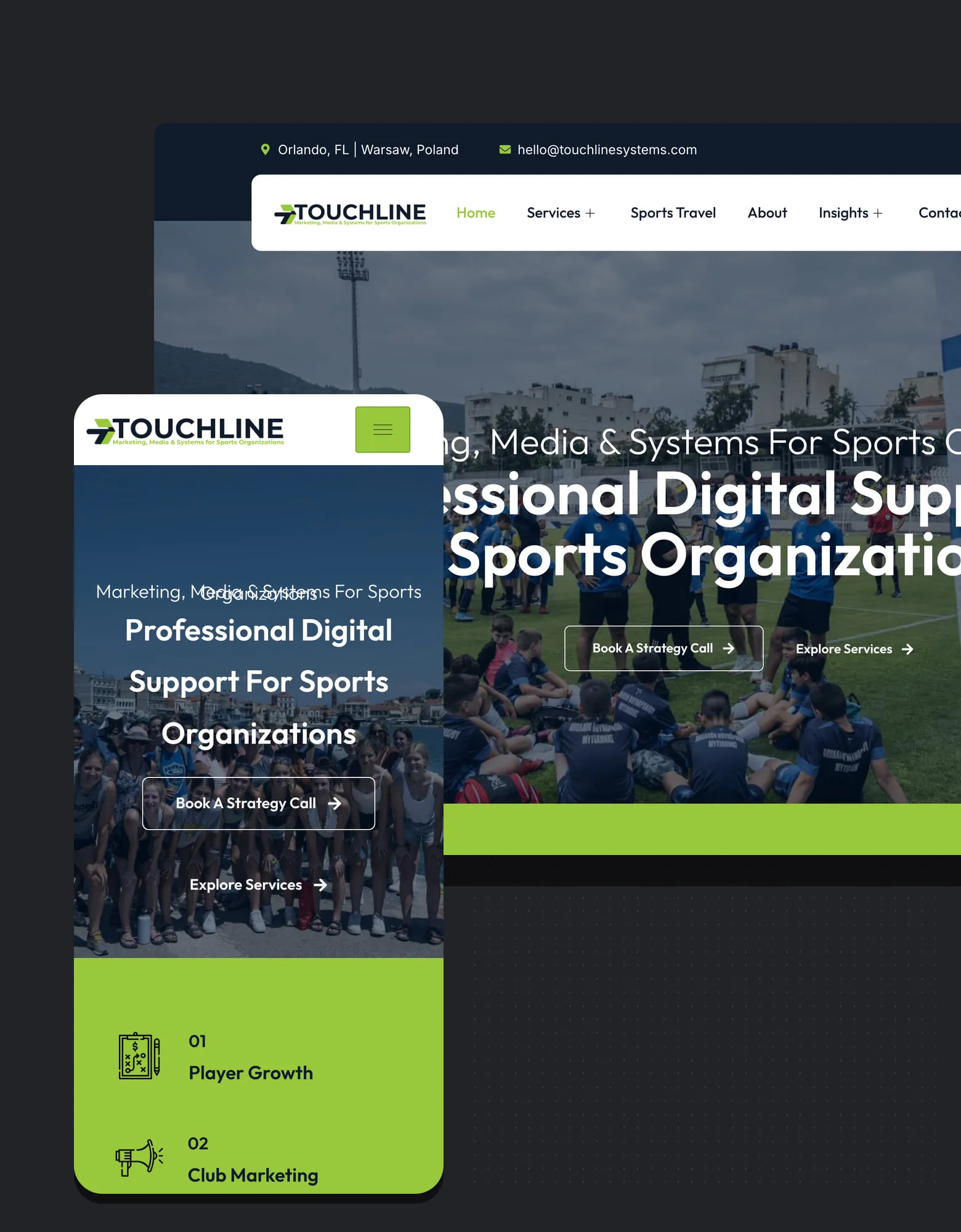
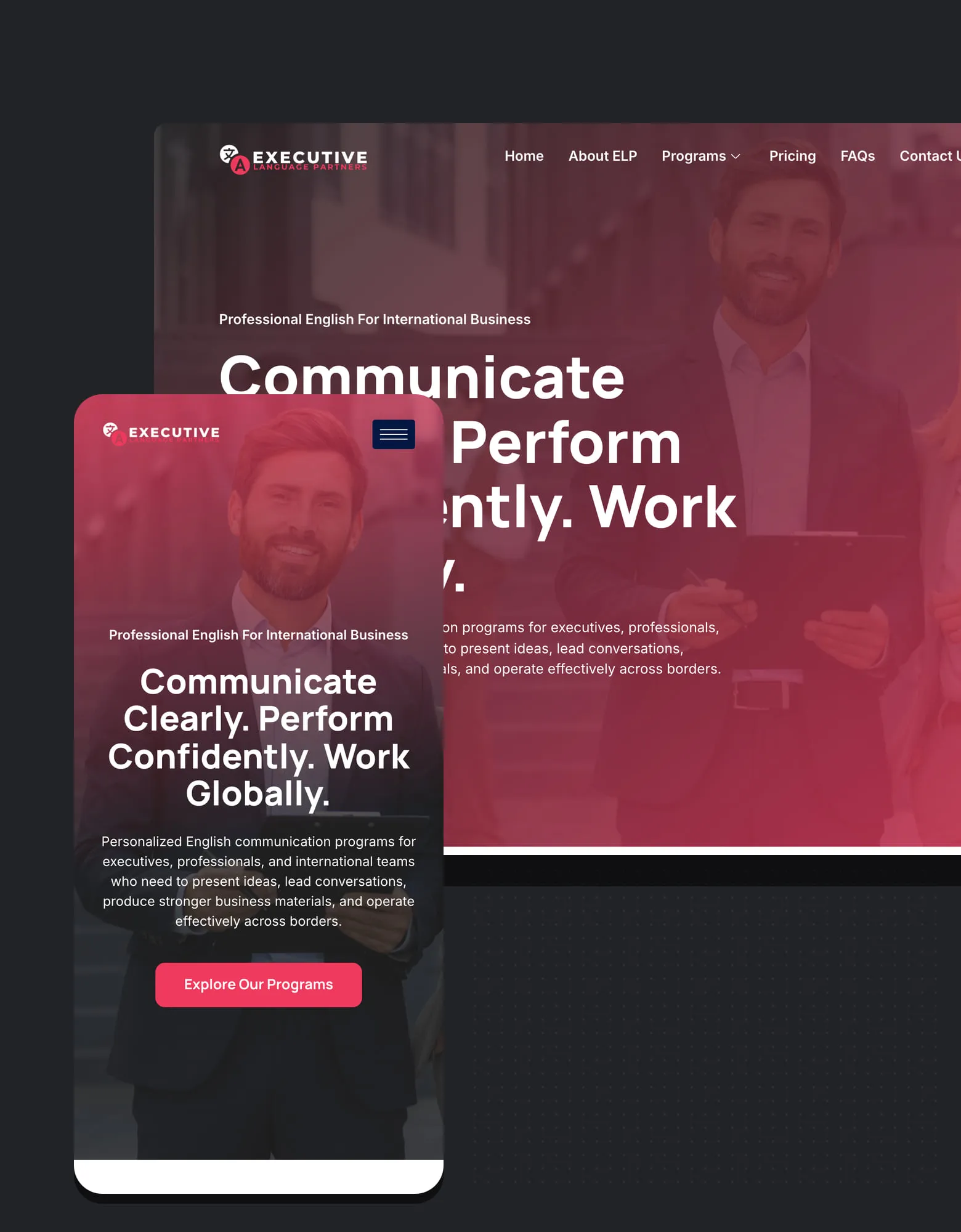
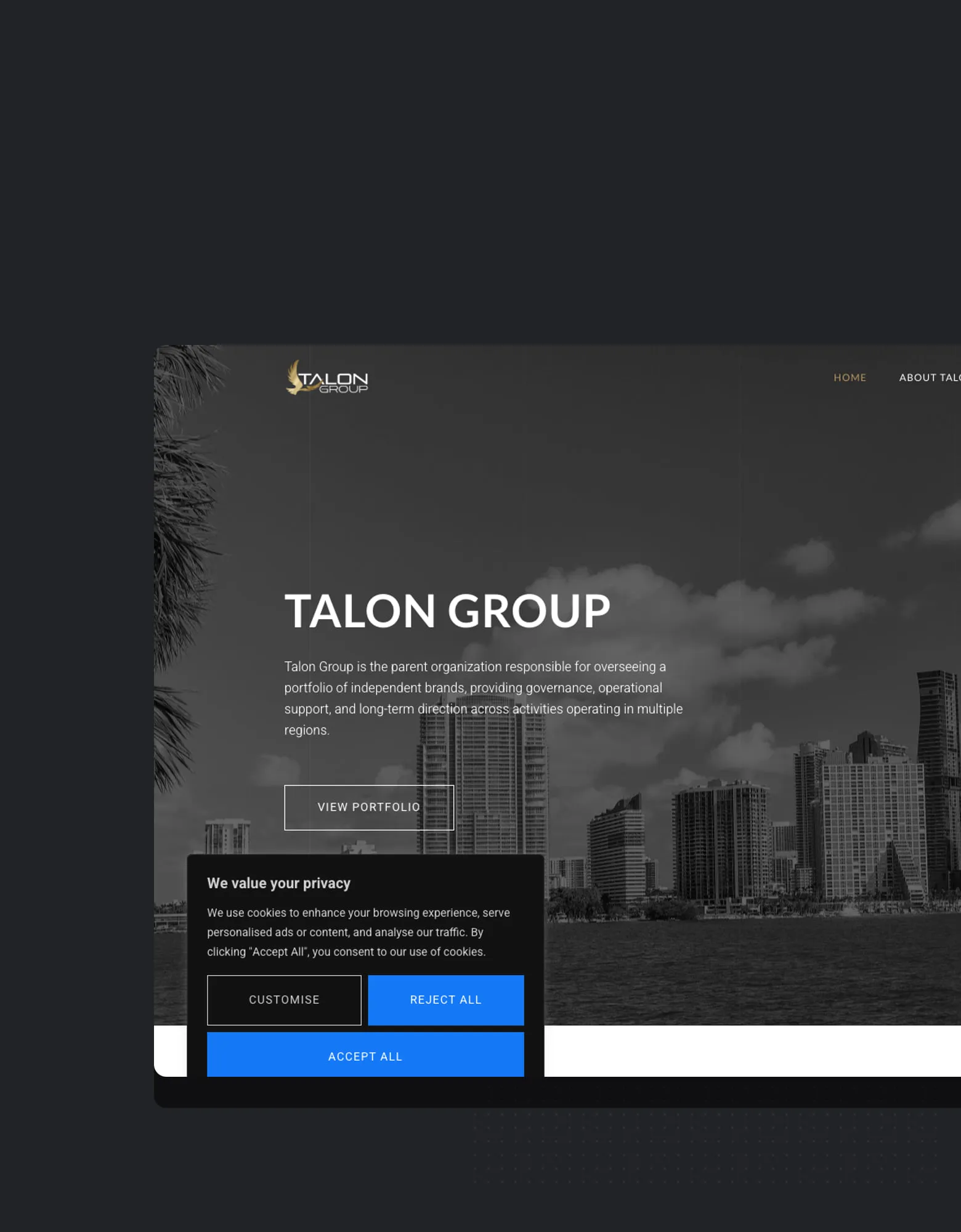
See the model applied to real work.
See what we would change.
Start with a focused assessment of the property you have now. We look at the experience, search visibility, technical condition, conversion path and the opportunities that matter most before recommending scope.