

Start with an assessment

Grow · Digital Marketing

Digital marketing services, organized differently

Buyers looking for a digital marketing agency are usually trying to solve one of two problems. Either marketing activity is scattered across freelancers, platforms and internal people with nobody accountable for the whole, or there is very little activity at all and the business needs a function it does not have in-house.

Both problems have the same root. Channels are bought separately while the thing they all depend on, the website, is treated as finished. Search needs pages worth ranking. Paid media needs landing pages worth paying for. Social and email need destinations, offers and tracking. Conversion work needs someone who can actually change the site.

Colorbull puts the property at the center. We operate the website or application first, then add the growth capabilities that fit the objective: one, several or, for some organizations, most of them. Each program has its own scope and measurement, and all of them share the same site, the same data and the same roadmap.

What the Grow system can include

  1. Digital strategy

    Objectives, audiences, channel economics and sequencing decided before budget is committed to any single channel.

  2. SEO & AI visibility

    Technical, on-page and content SEO that compounds over time, with monitoring of how AI-assisted research describes the business.

  3. Content & authority

    Buyer guides, case material and expert content that answer real purchase questions and give sales something to send.

  4. Paid acquisition

    Search and social campaigns managed alongside the landing pages and tracking they depend on. Media spend is always separate.

  5. Social media

    Channel strategy, production and community operations for the networks where the audience is actually active.

  6. Email & lifecycle

    Follow-up, nurture and reactivation so intent captured by every other channel is not lost after the first visit.

  7. Conversion optimization

    Evidence-led changes to forms, messaging and journeys, shipped directly on the managed property and measured.

  8. Creative production

    Ads, landing-page creative, collateral and motion produced inside the same brand system as the website.

  9. Local visibility

    Business profiles, reviews and local search operations for organizations with real locations or service areas.

  10. CRM & automation

    Lead routing, workflows and lifecycle triggers that connect marketing activity to the sales process.

  11. Analytics & attribution

    Measurement architecture and decision reporting that show which work is earning its budget and which is not.

  12. Coordinated execution

    One roadmap, one release process and one reporting rhythm across every active capability.

One operating system, multiple growth capabilities

Every Colorbull relationship starts with an operating base: a Managed Website or a Strategic Digital Partnership. That base is persistent. It keeps the property healthy, current, indexable and measurable, whether or not any marketing program is running.

Growth capabilities are added around that base as distinct programs. A professional-services firm might run only search and content. A business entering a new market might add paid acquisition and local visibility for a period, then scale back. A company with a small set of high-value target accounts might run account-based marketing and nothing else. The base does not change when programs start, grow, pause or end.

That separation matters commercially. The monthly base is not a marketing retainer in disguise, and a marketing program is never a hidden precondition for keeping the website running.

How the layers relate

  • Operating base: the property is built, then operated continuously
  • Growth programs: added individually, each with objectives and scope
  • Shared foundation: one site, one measurement model, one roadmap
  • Flexible over time: programs expand, pause or change without rebuilding the relationship

Why the website sits at the center

Almost every digital marketing channel ends on the website. Search results link to pages. Ads link to landing pages. Social posts, emails and outbound messages link to offers, guides and forms. When the site is slow, unclear, poorly measured or hard to change, every channel pays for it.

Because Colorbull operates the property, the practical work of marketing happens without a second vendor: new landing pages go live on the existing design system, content ships with correct internal links and structured data, tracking is re-verified after every release, forms are tested end to end, and conversion experiments are built by the same team that reads the results.

  • Landing pages built on the managed property, not on a disconnected page builder
  • Content published with the technical search health already in place
  • Tracking and conversion events verified after each release
  • Forms, calls and booking paths tested as part of routine operation
  • Experiments designed, shipped and measured by one team

What we do not mean by full-service

Full-service digital marketing often means a bundle: a fixed number of posts, articles, ads and reports each month, priced as a package whether or not each item moves the business. We do not sell that. Volume is easy to promise and easy to report, and it tends to crowd out the work that actually matters.

Instead, each capability is scoped against an objective and a measure. If a channel is not suited to the business, we say so and leave it out. If a channel is working, the program can grow. If a channel stops earning its budget, the report says that too.

What you will not see in a proposal

  • Monthly post, article or backlink counts as the unit of value
  • Every channel included because a package template has a slot for it
  • Vanity metrics reported in place of inquiries and pipeline
  • Guaranteed rankings, followers or return on ad spend

How programs are scoped

Scope follows the business, not a menu. Before recommending any program we look at what the organization is trying to achieve, the market it competes in and the economics of each channel for that market. We also look at what already exists: internal marketers, agencies, content, data and tools.

The result is a short plan that says which capabilities to start with, which to leave for later, what each will cost to operate, and how progress will be measured. Most organizations start with two or three capabilities rather than all of them.

  • Objectives: pipeline, market entry, retention, awareness in a defined audience
  • Market: competition, buying cycle, geography, deal value
  • Channel economics: what each channel costs to operate and what it can plausibly return
  • Existing capability: internal team, current vendors, content and creative on hand
  • Measurement readiness: whether outcomes can be tracked well enough to make decisions

The operating model

Added to the operating base, one capability at a time

Digital Marketing is additive to a Managed Website or a Strategic Digital Partnership. The operating base keeps the property sound; growth capabilities are added on top of it and scoped individually. You do not need to buy every channel, and the base monthly fee does not include a complete marketing program.

Where an organization already has internal marketers or other agencies, Colorbull can operate the property and take on only the capabilities that are missing, with clear ownership of who does what.

Commercial scope: Composed of the capabilities selected; each scoped individually

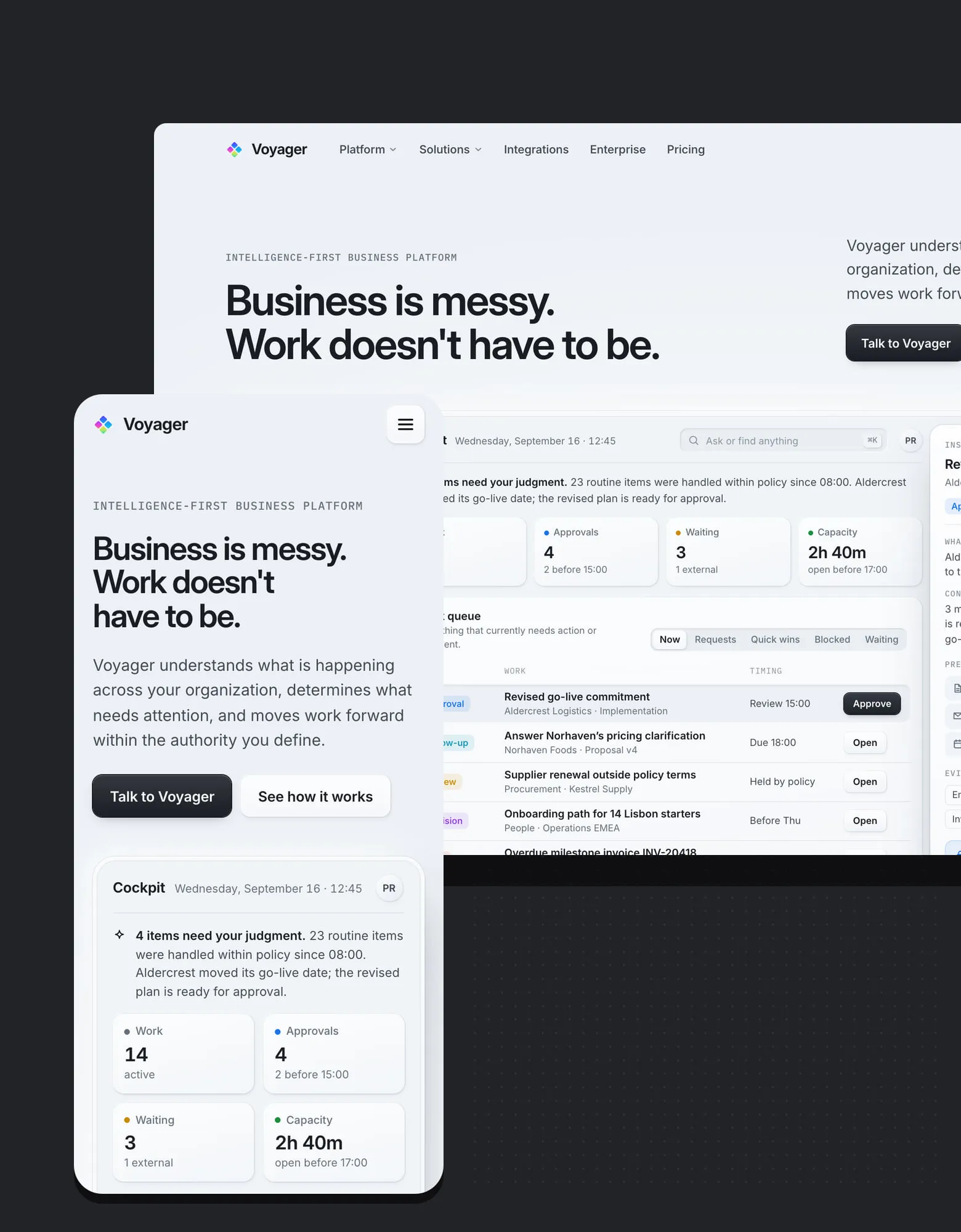
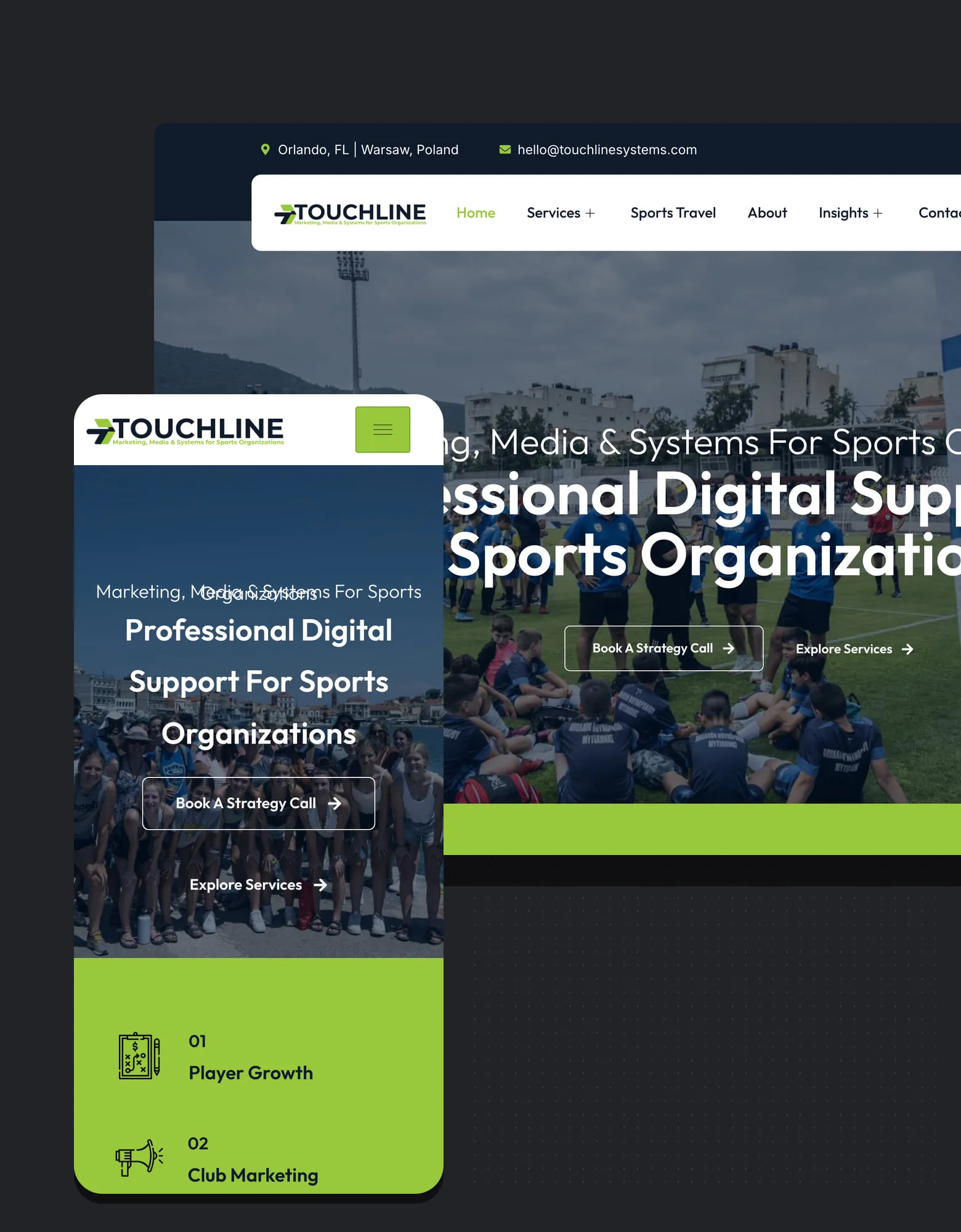
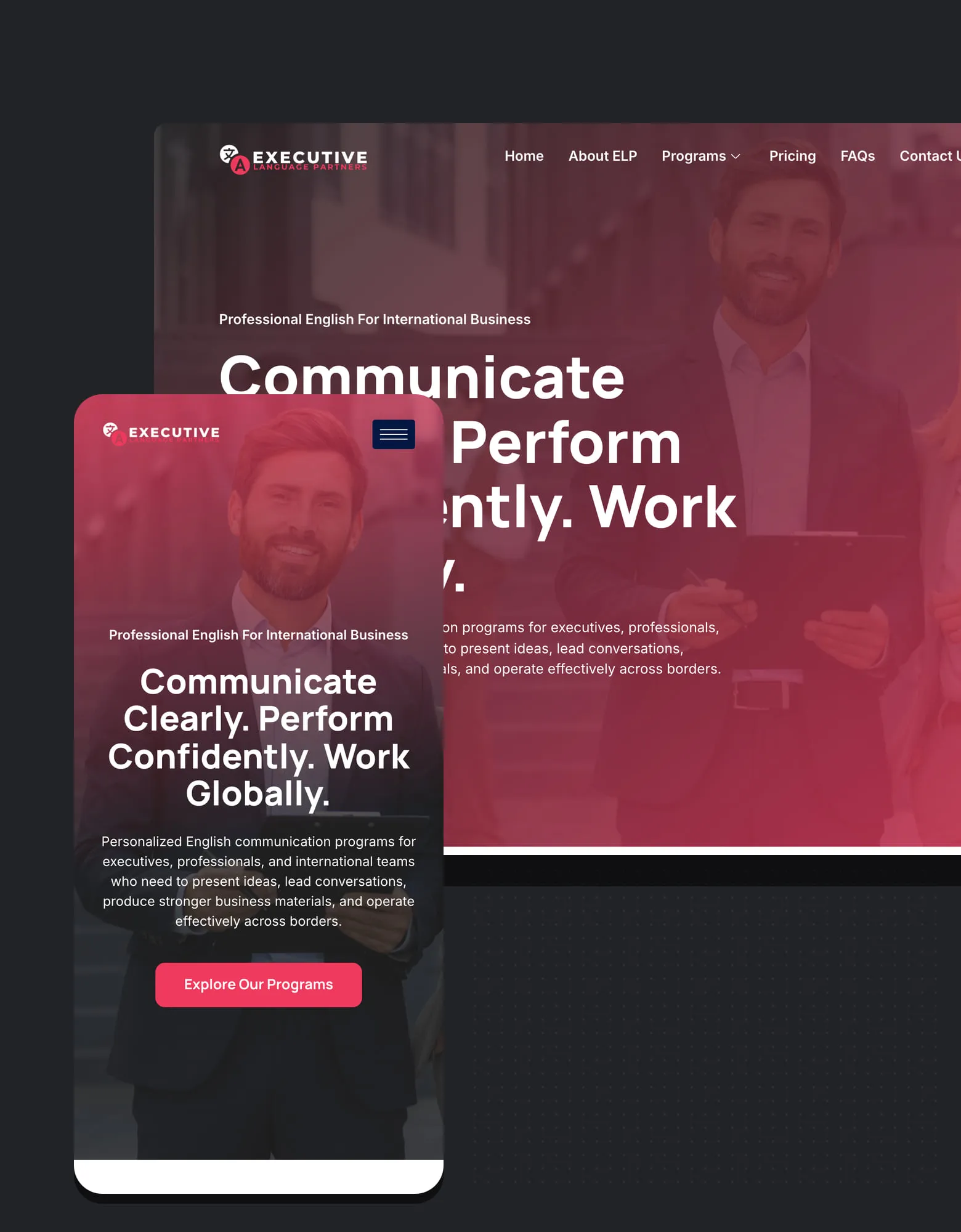
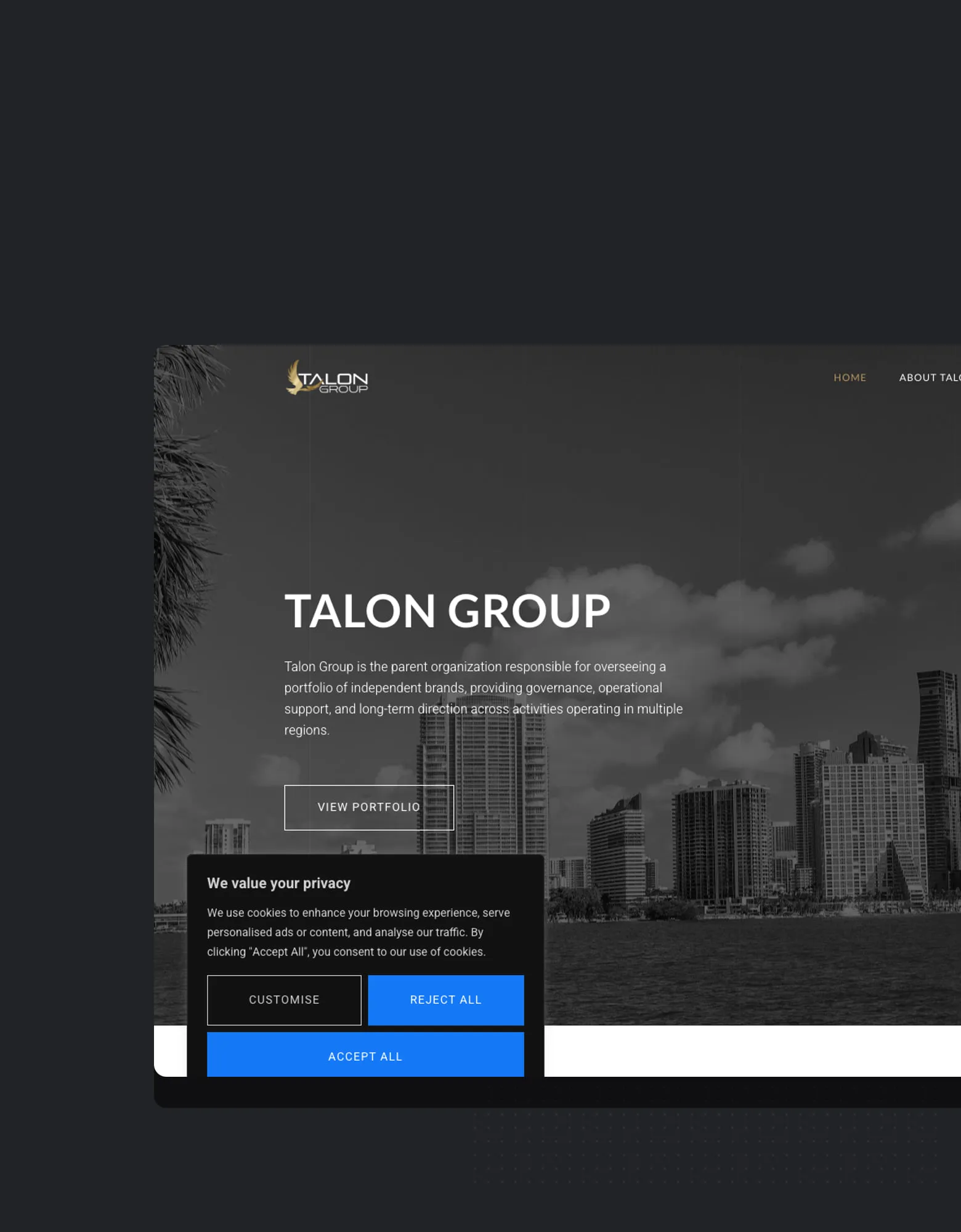
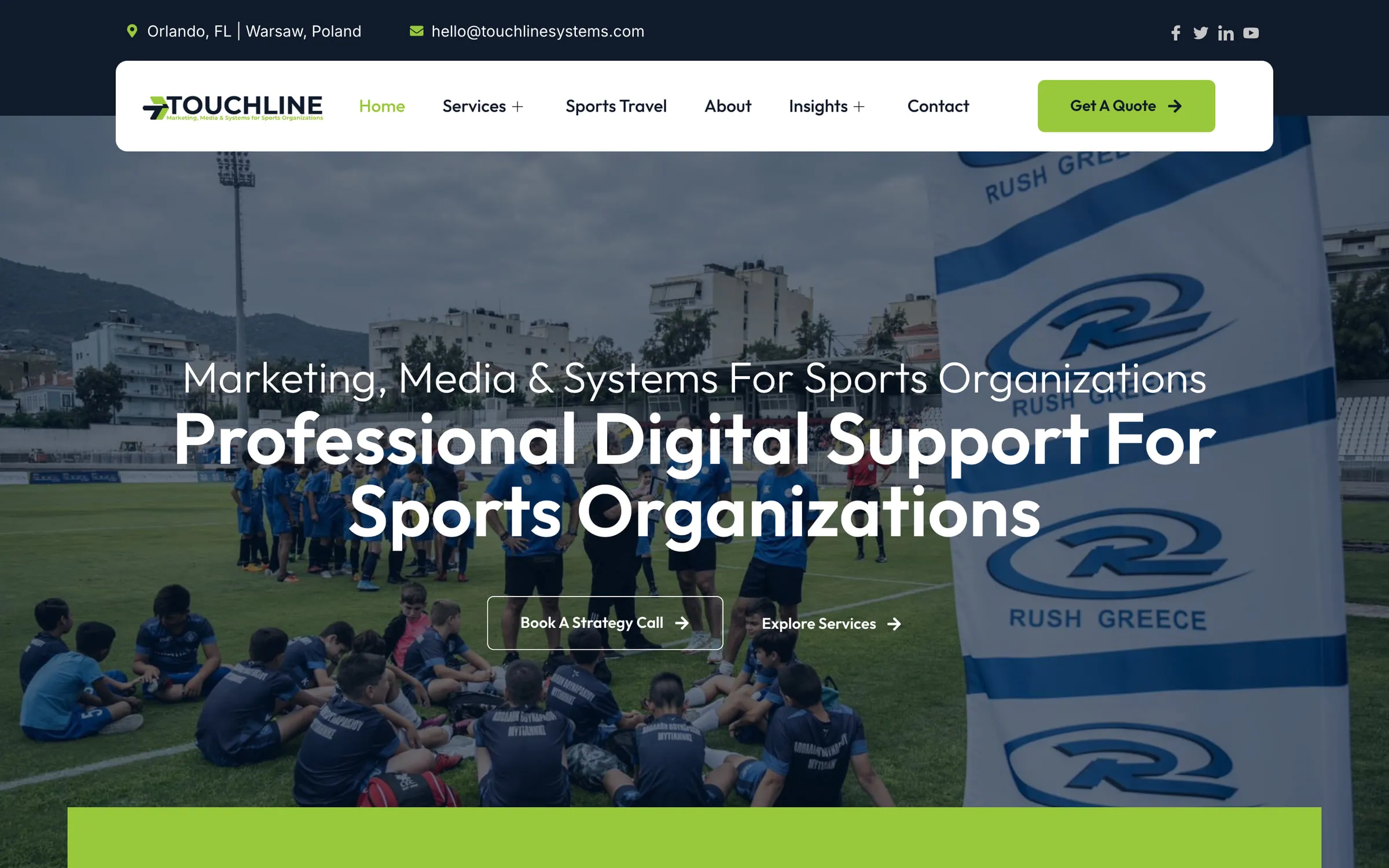
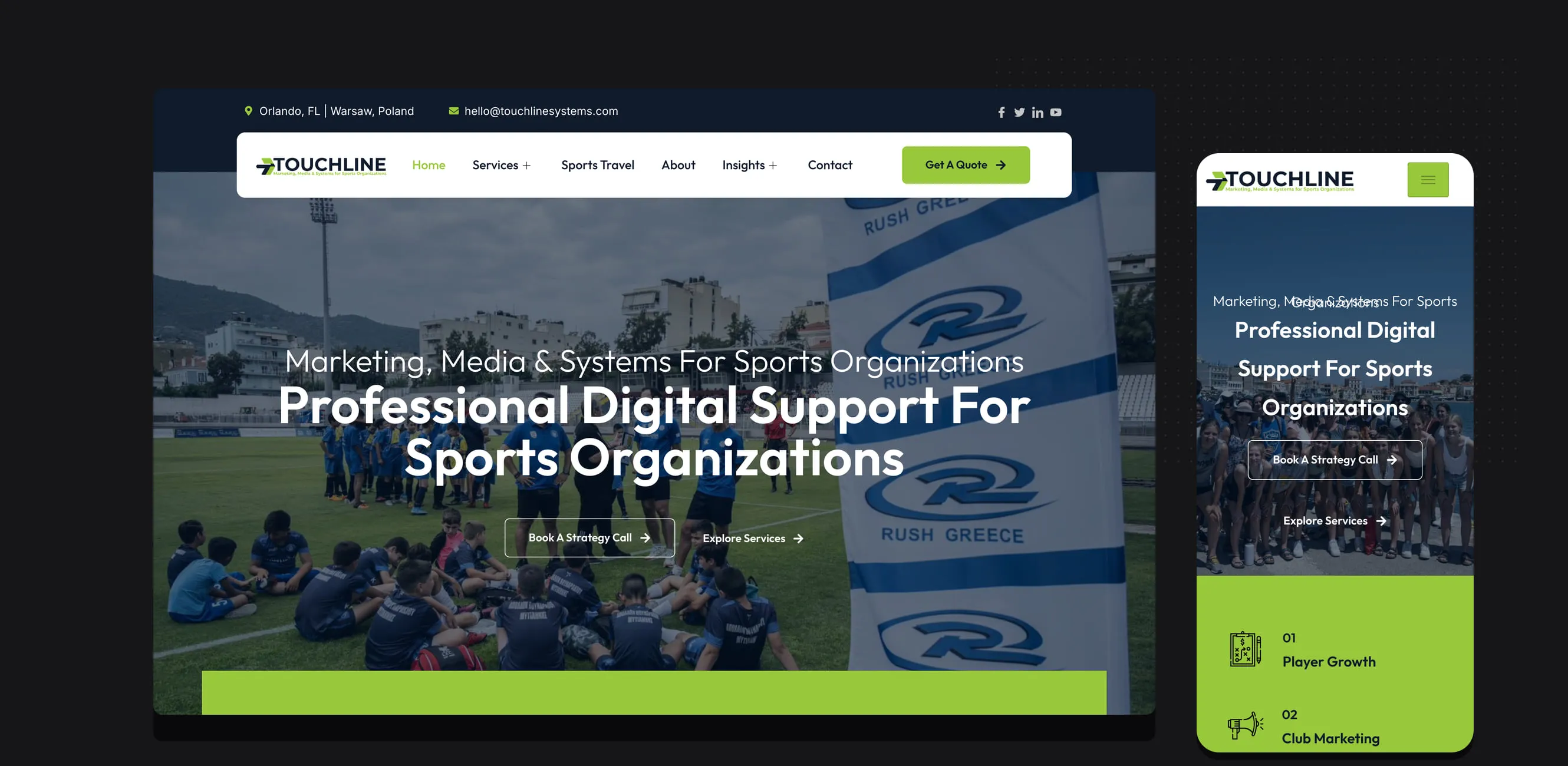
Colorbull built and operates these properties. They are shown as examples of the managed foundation growth programs run on, not as marketing-results case studies.

The capabilities inside the system

Each capability has its own page, thesis and scope. Add one, several or all of them to the operating base.

  1. SEO & AI Search Visibility

    Technical, on-page and content SEO

  2. Content & Authority

    Buyer content, evidence, expertise

  3. Paid Acquisition

    Campaigns, landing pages, measurement

  4. Social Media Marketing

    Channel strategy, production, community

  5. Local SEO & Reputation Management

    Business profiles, reviews, local search

  6. Account-Based Marketing

    Targeted programs for strategic accounts

  7. Conversion Optimization

    Funnels, friction, testing

  8. Creative & Campaign Production

    Campaign systems, ads, collateral

  9. Email & Lifecycle

    Follow-up, nurture, reactivation

  10. Marketing Automation

    Routing, CRM workflows, handoffs

  11. Analytics & Attribution

    Measurement, attribution, decision reporting

Buyer questions

Are you a full-service digital marketing agency?

We cover most digital marketing disciplines, but we do not sell them as a single bundle. Colorbull operates the website first and adds capabilities individually. Some clients use one, some use several. The distinction is that every program runs on a property we are responsible for, rather than on a site nobody owns.

Do we have to use every service?

No. Most organizations start with the two or three capabilities that matter most to their objectives and add others only when there is a clear reason to.

Is digital marketing included in the managed website fee?

No. The managed base covers operation of the property, including technical search health, measurement integrity and routine changes. Search growth, content programs, paid media management, social, email and the other capabilities on this page are scoped and priced separately on top of it.

Can you work alongside our internal team or another agency?

Yes. A common arrangement is for an internal marketer to own messaging and campaigns while Colorbull operates the site, builds landing pages, maintains tracking and runs one or two specialist programs. We agree ownership of each area at the start so nothing falls between teams.

How do you report across channels?

One reporting rhythm covers every active capability: what changed on the property, what each program did, what happened to inquiries and pipeline where that can be measured, and what we recommend next. Attribution is presented with its limits stated rather than as a single perfect number.

  1. How much does digital marketing cost?

    Why "digital marketing" can mean one channel or an entire outsourced growth function, how agencies charge for it, and what actually moves the price.

  2. How much does SEO cost?

    Pricing models, realistic ranges and the difference between keeping a site search-healthy and actually growing its visibility.

  3. How much does PPC management cost?

    Management fees versus media spend, how agencies structure their pricing, and the landing-page and tracking costs most comparisons leave out.

  4. How much does content marketing cost?

    Where the real cost of content sits, why depth usually beats volume, and how to use AI-assisted production without turning a site into a content farm.

  5. How much does social media management cost?

    The difference between strategy and posting, why post-count packages are a weak comparison, and where the real cost of a social program sits.

See what we would change.

Start with a focused assessment of the property you have now. We look at the experience, search visibility, technical condition, conversion path and the opportunities that matter most before recommending scope.